Biases. We all have our own biases. These come from our experiences may they be good or bad. We tend to view the world as how we want to interpret it. We have the inclination to put meaning into everything based on what we have learned and experienced.

Our interpretation of the things around us, everything that we see, hear, feel, or touch, can be the same and can be different. I may see that posting on social media as something that wastes my time as bad and some may see it do good as we spread more information in this ever-connected world we live in.
We see people fight over comments about political issues and K-Pop groups. Our inclination to different things puts us into our own perspectives and understanding of things around us.
How do you interpret what you read?
Also, at the moment we read things usually from the internet like this blog or some picture quote posted, and we tend to agree to it because of what we are feeling at the moment. Even what we had experienced recently that really put us on our toes (e.g. hating your boss), would put us into a bias that we tend to agree to what we read or hear, or even don’t understand it because we can not relate to it.
To truly understand each other and have the same interpretation of everything, even if we disagree, requires from us to be very adaptive to every information and knowledge that comes our way. It is about questioning the reason behind things without considering our own biases. It is fully understanding the rationale of the idea.
Start reading
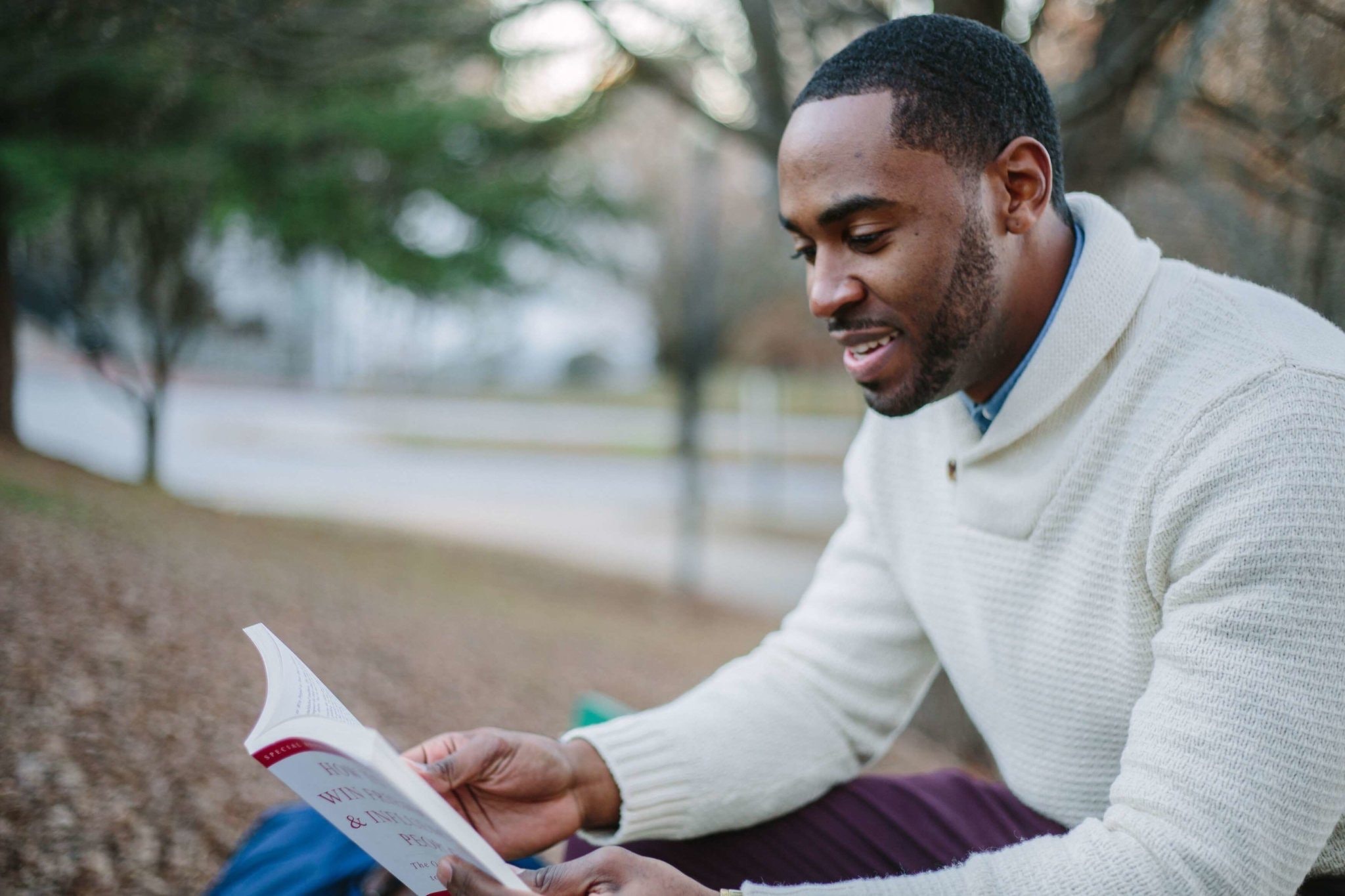
This is difficult to do considering when our biases are rooted in ourselves. To overcome it, we need to read a lot. Consume a lot of information by reading. Reading is the brain’s exercise. It helps us formulate new neuron pathways and in effect, we are more creative, more imaginative, and more solution-driven. Nothing can stop us.
By reading regularly, about any topic that interests you, as little as 30 minutes a day, or even when you are waiting in line, you could expand your knowledge little by little and gain more than just scrolling through those reels on Facebook or Instagram or TikTok of people dancing or doing weird and funny things (allot a time for that).
Let’s keep those biases in check and open our minds to new things around us. Every day is an opportunity to learn.
Biases—those subtle, ingrained preferences and predispositions—accompany us throughout life. They emerge from our experiences, upbringing, culture, and the way our brains process information. While biases can serve as mental shortcuts, they can also hinder our ability to see the world objectively. Let’s delve into this complex terrain.
The Nature of Biases
Biases are like invisible threads woven into the fabric of our minds. They shape our perceptions, influence our decisions, and color our interactions with the world. Here are two key aspects of biases:
- Subjective Interpretations:
- Imagine standing in front of a painting. Your friend sees vibrant colors and abstract shapes, while you notice intricate brushstrokes and hidden symbolism.
- We perceive reality through our own unique lenses. What one person sees as a waste of time (like social media), another might view as a valuable information-sharing platform.
- Our biases color our interpretations, leading us to assign meaning based on our preconceptions.
- Diverse Perspectives:
- Consider a heated debate about climate change. People passionately defend their viewpoints, often rooted in their biases.
- The same event can evoke different reactions. Political issues, sports rivalries, and even K-pop fandoms—all trigger diverse responses.
- Our inclinations shape our perspectives, sometimes leading to disagreements that feel insurmountable.
The Role of Reading
Reading isn’t just about consuming words; it’s a mental workout that flexes our cognitive muscles. Here’s how reading helps us navigate biases:
- The Brain’s Gym:
- When we read, our brains light up like a bustling city at night. Neurons fire, connections strengthen, and creativity blossoms.
- Reading stimulates neural pathways, fostering problem-solving abilities. It’s like CrossFit for the mind.
- Curiosity and Adaptability:
Overcoming Biases
- Awareness:
- Questioning Assumptions:
- Empathy and Perspective-Taking:
- Understand others’ viewpoints. Empathy bridges gaps and reduces bias.
- Read diverse voices—authors from different backgrounds, cultures, and ideologies. It’s like adding new colors to your mental palette.
Practical Steps
- Reading Habit:
- Set aside time for reading. Whether it’s a physical book, an e-book, or an article, prioritize it.
- Waiting in line? Instead of mindlessly scrolling social media, read a thought-provoking piece. It’s like feeding your brain kale instead of candy.
- Variety Matters:
- Explore different genres: fiction, non-fiction, history, science, philosophy.
- Each book opens a new window into the world. It’s like traveling without leaving your cozy armchair.
- Critical Thinking:
- Analyze what you read. Is it well-researched? Does it challenge your assumptions?
- Engage with content actively. It’s like having a lively debate with an invisible friend.
Conclusion
Biases are part of our cognitive landscape, but we can navigate them with intention. Reading—our mental compass—guides us toward broader horizons. So, let’s keep our minds open, learn voraciously, and evolve beyond our biases. Every day truly is an opportunity to grow.
