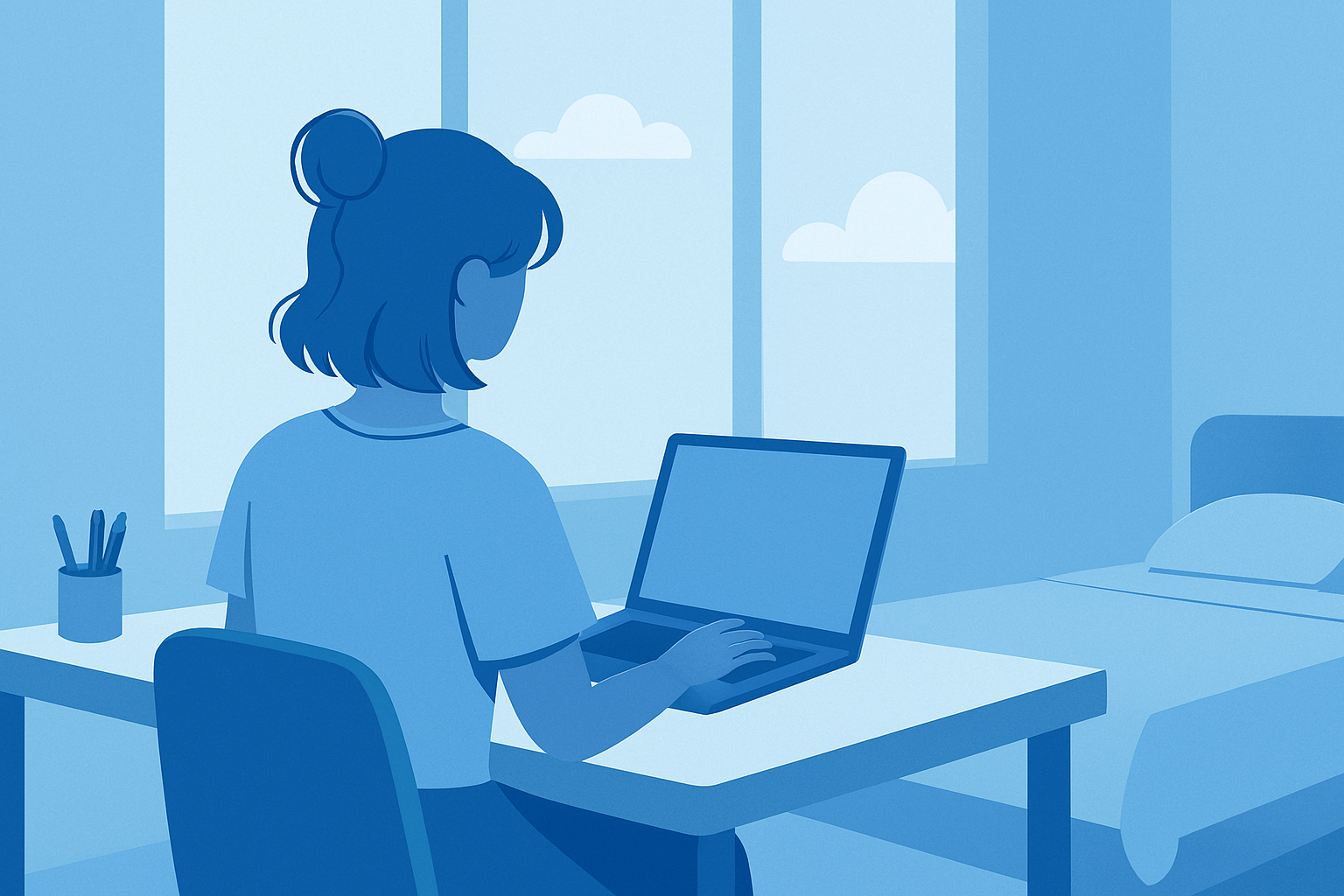
The pandemic has really shaken things up, huh? It’s affected pretty much every aspect of our lives – from hanging out with friends to how we handle work stuff. With all the travel and gathering restrictions, we’ve had to find new ways to connect and work together. Some say we weren’t ready for such a big change. But I think we’ve always had it in us to adapt. This crazy time has made us rethink how we do things. It has shown just how flexible and tough we can be, both as individuals and as a society.
Remote work is not new
The internet has fundamentally transformed our mode of interpersonal connection, fostering unprecedented interconnectedness. Despite the drawbacks associated with the internet, it has ushered in significant positive changes in our lives. Prior to the pandemic, working in a traditional office setting entailed commuting and prolonged hours at our workstations. Not to mention having a cup of coffee. However, upon reflection, it becomes evident that our colleagues were not consistently present in physical proximity. They could have been situated in disparate cities or even across international borders, a common occurrence in numerous professional sectors. Despite having colleagues in close physical proximity, a substantial portion of our work is still online. It is frequently involving interactions with individuals located in separate physical spaces.
So, what’s different about remote work then and now?
For starters, I think as a society, we weren’t really ready for a global pandemic. The sudden switch to remote work and the challenges it brought caught a lot of us off guard. But despite all the adjustments and uncertainties, we managed to adapt and keep working. Switching to remote work was like moving from an office to working from home. In a lot of ways, it just meant moving from one workspace to another. Kind of like shifting from one room to another in an office. Our physical location changed, but the essence of the work stayed the same. It’s pretty amazing how quickly individuals and organizations embraced this new way of working. It shows resilience and flexibility in the face of unexpected circumstances.
Face-to-face interaction vs wired
The move back to office work, whether full-time or in a hybrid setup, has sparked a lot of discussion in professional circles. Companies often say they want to build stronger relationships among colleagues to improve overall work performance. While that’s a good reason, it makes you wonder about the real differences between building relationships in a physical office versus engaging with people online. Will it make a difference if you already know them?
A traditional office gives colleagues the chance to interact in person, creating spontaneous connections and a strong sense of camaraderie. From casual chats to collaborative brainstorming sessions, face-to-face interactions in the office foster a level of teamwork that’s hard to replicate virtually.
But the digital world has become a place for people to build and maintain relationships. Whether it’s through video calls, instant messaging, or virtual collaboration tools, the online space offers a lot of flexibility. Additionally, it provided convenience for engaging with colleagues, even if they’re in different places. Plus, the rise of remote work has shown that meaningful professional relationships and effective teamwork can thrive in a virtual environment.
The difference between building relationships in an office and in the virtual world lies in the details of human interaction. While face-to-face interactions can create a deeper connection through body language and being in the same physical space, online interactions can also lead to meaningful relationships through dedicated communication and efforts to bridge the virtual gap.
Considering all this, it’s clear that where professional relationships are nurtured, whether in a physical office or online, really shapes how teamwork and collaboration work. Both settings have their pros and cons, and the ongoing discussion about the future of work will likely keep exploring and figuring out how physical and virtual relationship-building play out in the professional world.
Abuse of remote work
Working from home has so many perks, and one of the best ones is having more time on our hands. No need to deal with traffic or get all dressed up for the office, which means we’ve got extra time to do things we enjoy, like working out, diving into a good book, or just chilling with our loved ones at home. It’s important to remember, though, that not everyone has the same opportunities for company, so let’s be mindful of that.
Personally, I think remote work rocks, but we’ve gotta be real about how we do it. Some folks take advantage of the flexibility and pretend to be busy when they’re not really getting stuff done. We’ve gotta keep it honest and make sure we’re giving our best. When we’re truthful and committed to doing quality work, we show that we’re trustworthy and help create a positive and productive work vibe.
Deliver and be trustworthy
The most important thing about remote work is the results you deliver. It is important for other people to trust that you do your job even if you are far away. If you love the freedom of working from home or anywhere else, it’s crucial to meet or exceed expectations. If you can get the job done just as well outside of the office, the idea of being tied to a desk at the office is becoming a thing of the past.
Remote work is changing the game in how we approach our professional lives. The old nine-to-five routine in a physical office is slowly becoming outdated as we focus more on the actual outcomes of our work. This shift emphasizes the importance of being productive and effective, regardless of where the work is done.
The freedom and independence that come with remote work are truly liberating. Whether you’re working from the comfort of your home or in a beautiful location far away, the ability to work remotely is reshaping our traditional work concepts. By consistently proving that you can be effective and efficient in a remote work environment, you’re challenging the old expectations of being stuck at an office desk. As productivity takes center stage, the relevance of physical office spaces is being questioned.
To fully embrace this shift to remote work, you need to be dedicated to delivering results that go beyond expectations. This new way of thinking focuses on the outcomes and impact of your work, rather than the hours spent within the four walls of an office. As long as the work is being effectively and efficiently carried out, the need to go back to a traditional office setting becomes less and less important. The future of work is changing, and the focus is rightly shifting towards the tangible contributions made, no matter where the work happens.
