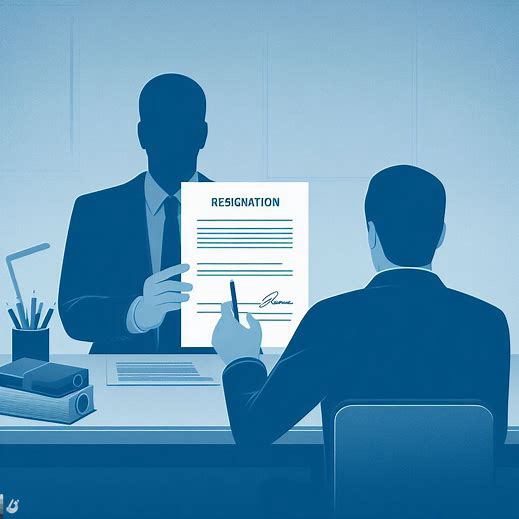
Why You Can’t Resign Immediately But Can Be Terminated On The Spot
Have you ever wondered why you have to give a notice period before resigning from your job, but your employer can fire you at any time without warning? This may seem unfair, but there are legal and practical reasons behind this arrangement.
In this article, I will explain the difference between resignation and termination, the importance of notice periods, and the exceptions to the rule. i will also give you some tips on how to handle your resignation or termination professionally and gracefully.
What is resignation and termination?
Resignation is a significant decision that marks the end of your tenure with a particular organization. It is a time for reflection and contemplation as you make a voluntary choice to terminate your employment contract for personal reasons. There are various factors that may lead to this decision, including the pursuit of a more fulfilling career opportunity, the desire to advance your education through further studies, the need to relocate for personal or family reasons, or the ambition to venture into entrepreneurship and start your own business. Whatever the reason may be, resignation signifies a pivotal moment in your professional journey, prompting careful consideration and planning for the future.
Termination is a significant event that can have various legal and financial implications for both the employer and the employee. When your employer decides to end your employment relationship, it is crucial to understand the reasons behind it. Just causes, for instance, are directly linked to the employee’s actions or behavior within the workplace. Instances of serious misconduct, fraud, breach of trust, or the commission of a crime are often considered just causes for termination. On the other hand, authorized causes are not attributable to the employee’s actions, but rather to legitimate reasons within the organization, such as the implementation of labor-saving devices, redundancy due to restructuring, retrenchment in response to economic challenges, or the closure of the business entirely. Both just and authorized causes require careful consideration and adherence to labor laws and regulations to ensure fair treatment and protect the rights of all parties involved. Understanding the distinctions between these causes is essential for navigating the complex landscape of employment termination.
Why do you have to give a notice period before resigning?
The main reason why you have to give a notice period before resigning is to give your employer enough time to find a replacement for your position and to ensure a smooth transition of your tasks and responsibilities. This is also a way of showing respect and professionalism to your employer and your co-workers, who may be affected by your departure.
The notice period may vary depending on your employment contract, company policy, or industry practice. However, the general rule is that you have to give at least one month’s notice before resigning, unless your employer agrees to waive or shorten it.
If you fail to give a proper notice period, you may face some consequences, such as:
- Damages or penalties for breach of contract or company policy.
- Loss of benefits or incentives, such as unused leave credits, 13th month pay, or bonuses.
- Negative feedback or references from your employer, which may affect your future employment prospects.
- Legal action from your employer, if your resignation causes serious harm or loss to the business.
Why can your employer terminate you on the spot?
The main reason why your employer can terminate you on the spot is to protect the business from further damage or loss that may be caused by your continued employment. This may happen if you commit a serious offense that warrants immediate dismissal, such as theft, violence, sabotage, or gross insubordination.
However, your employer cannot terminate you on the spot without due process. This means that your employer has to follow these steps before terminating you:
- Send you a written notice of the charges against you and the grounds for termination.
- Give you a chance to explain your side and present evidence in your defense.
- Conduct a fair and impartial investigation and hearing.
- Send you a written notice of the decision and the effective date of termination.
If your employer fails to follow due process, you may file a complaint for illegal dismissal and claim for reinstatement, back wages, damages, and other relief.
How to handle your resignation or termination professionally and gracefully?
Whether you are resigning or being terminated, you should always handle the situation professionally and gracefully. Here are some tips on how to do so:
Be polite and respectful. Do not burn bridges or badmouth your employer or co-workers. Express your gratitude for the opportunity and the experience.
Be honest and cooperative. Do not lie or hide anything from your employer or co-workers. Provide all the necessary information and documents related to your work. Assist in the handover and training of your replacement.
Be positive and optimistic. Do not let your resignation or termination affect your self-esteem or confidence. Focus on the lessons learned and the opportunities ahead. Seek feedback and advice from your employer or co-workers on how to improve your skills and performance.
Conclusion
Resignation and termination are two different ways of ending your employment relationship with your employer. Both have legal and practical implications that you should be aware of and prepared for. By giving a proper notice period before resigning and following due process before terminating, you and your employer can avoid unnecessary conflicts and maintain a good working relationship. By handling your resignation or termination professionally and gracefully, you can leave a positive impression and open the door for future opportunities.
Sources:
- G.R. No. 227718 – The Lawphil Project
- How to Terminate an Employee in the Philippines: A Step by Step Guide
- Termination vs. Resignation: Definitions and Differences
- DOLE Clarifies Rules on Termination of Employment
- Resignation – Labor Law PH
- FAQ: Resignation – Labor Law PH
- Dismissal and notice – Fair Work Ombudsman
- All You Need To Know About Notice Period For Resignation
- What Is a Notice Period? (With Sample Resignation Letter)
- Employee Resignation and Termination – Workable
- Terminating, Termination of Employment in Philippines
- The basics of the at-will employment doctrine | Thomson Reuters
- Termination guidance for employers | USAGov
- Understanding At-Will Employment: Pros, Cons, and Exceptions – Indeed
