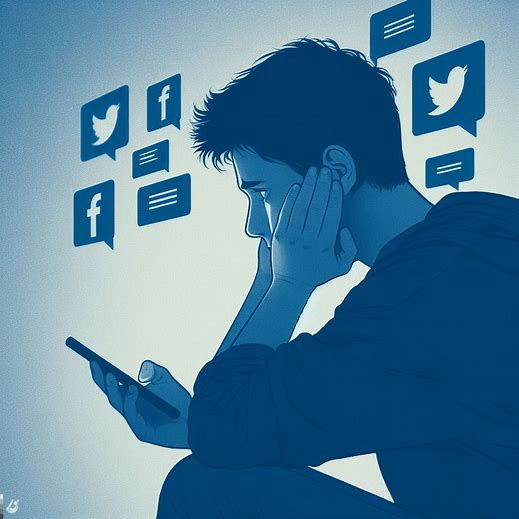
Why You Should Stop Comparing Yourself to Others on Social Media
Do you ever feel like you are not good enough, successful enough, or happy enough when you scroll through your social media feeds? Do you ever feel like you are in constant competition with your peers, who seem to have it all figured out? If you answered yes, you are not alone. Many millennials and Gen Z feel the same way, and it is affecting their mental health, self-esteem, and life satisfaction.
In this blog post, we will explore how social media comparison can be harmful, and what you can do to overcome it. We will also look at some of the advantages and disadvantages of using social media as a competition with others when comparing lives.
The Problem of Social Media Comparison
Social media comparison is the act of comparing yourself to others based on their online posts, such as their photos, videos, stories, or status updates. It is a natural human tendency, but it can also be a dangerous one. According to a study by the American Psychological Association, social media comparison can lead to lower self-esteem, higher depression, and lower life satisfaction.
Why does this happen? There are several reasons:
- Social media creates a false sense of reality. People tend to post only the positive aspects of their lives, such as their achievements, milestones, or highlights. They also tend to edit, filter, or embellish their posts to make them more appealing. This creates a distorted image of their lives, which may not reflect their true struggles, challenges, or flaws. When you compare yourself to these unrealistic standards, you may feel inadequate, inferior, or unhappy.
- Social media triggers the fear of missing out (FOMO). FOMO is the feeling that you are missing out on something better, more exciting, or more rewarding than what you are doing. It can make you feel dissatisfied with your current situation and crave for something else. Social media can fuel this feeling, by exposing you to endless possibilities, opportunities, or experiences that others are having. When you compare yourself to others, you may feel like you are missing out on something, and that you are not living your best life.
- Social media amplifies the social pressure. Social pressure is the influence that others have on your thoughts, feelings, or actions. It can make you conform to the norms, expectations, or standards of your social group, or society at large. Social media can increase this pressure, by providing constant feedback, such as likes, comments, shares, or views. These metrics can affect your self-worth, self-confidence, or self-image, depending on how you interpret them. When you compare yourself to others, you may feel like you have to keep up with them, or impress them, or avoid their criticism.
The Pros and Cons of Social Media Competition
Social media comparison can be harmful, but it can also have some benefits, depending on how you use it. Here are some of the pros and cons of using social media as a competition with others when comparing lives.
Pros
- It can motivate you to improve yourself. Social media can inspire you to set goals, pursue your dreams, or learn new skills. It can also provide you with examples, role models, or mentors, who can guide you, support you, or challenge you. When you use social media as a healthy competition, you can use it as a source of motivation, not frustration.
- It can help you discover new opportunities. Social media can expose you to new ideas, perspectives, or information. It can also connect you to new people, networks, or communities, who can offer you valuable resources, advice, or feedback. When you use social media as a constructive competition, you can use it as a tool for exploration, not isolation.
- It can boost your creativity and innovation. Social media can stimulate your imagination, curiosity, or originality. It can also encourage you to experiment, collaborate, or share your work. When you use social media as a friendly competition, you can use it as a platform for expression, not suppression.
Cons
- It can distract you from your own path. Social media can make you lose focus, direction, or purpose in life. It can also make you forget your own values, strengths, or passions. When you use social media as an unhealthy competition, you can use it as a distraction, not an action.
- It can make you feel insecure and unhappy. Social media can make you feel inadequate, inferior, or dissatisfied with yourself. It can also make you feel envious, resentful, or angry towards others. When you use social media as a destructive competition, you can use it as a source of stress, not happiness.
- It can harm your relationships with others. Social media can make you feel disconnected, isolated, or lonely. It can also make you feel competitive, hostile, or judgmental towards others. When you use social media as an unfriendly competition, you can use it as a barrier, not a bridge.
How to Overcome Social Media Comparison
Social media comparison can be beneficial or detrimental, depending on how you use it. The key is to use it wisely, and not let it control you. Here are some tips on how to overcome social media comparison, and use it to your advantage.
- Be aware of your triggers and emotions. Pay attention to what makes you feel insecure, unhappy, or stressed when you use social media. Is it a certain person, account, or post? Is it a certain time, place, or situation? Is it a certain mood, thought, or feeling? Once you identify your triggers and emotions, you can either avoid them or deal with them in a healthy way.
- Be realistic and rational. Remind yourself that social media is not a true representation of reality, but a selective and edited one. Don’t take everything you see at face value, but question its accuracy, authenticity, or relevance. Don’t compare your whole life to someone else’s highlight reel, but compare yourself to yourself. Focus on your own progress, achievements, or happiness, and not on others.
- Be grateful and positive. Appreciate what you have, and not what you don’t have. Express gratitude for your life, and the people in it. Celebrate your successes, and learn from your failures. Look for the good in every situation, and the opportunity in every challenge. Adopt a positive mindset and a growth mindset, that will help you overcome any obstacle, and achieve any goal.
- Be social and supportive. Use social media to connect, not to compete. Engage with others in a respectful, empathetic, and constructive way. Show interest, appreciation, and encouragement. Seek help, advice, or feedback. Offer help, advice, or feedback. Join communities, groups, or causes that align with your values, interests, or passions. Make meaningful connections, and build strong relationships, both online and offline.
Summary
Social media can be a blessing or a curse, depending on how you use it. It can help you improve yourself, discover new opportunities, and boost your creativity and innovation. But it can also distract you from your own path, make you feel insecure and unhappy, and harm your relationships with others.
The key is to use social media wisely, and not let it take over your life. Here are some steps you can take to do that:
- Be aware of your triggers and emotions, and avoid or deal with them in a healthy way
- Be realistic and rational, and don’t compare yourself to unrealistic standards
- Be grateful and positive, and focus on your own growth, happiness, and well-being
- Be social and supportive, and use social media to connect, not to compete
If you follow these tips, you will be able to enjoy the benefits of social media, without suffering from the drawbacks. You will also be able to live a more authentic, fulfilling, and happy life.
If you liked this blog post, please share it with your friends, and leave a comment below. I would love to hear your thoughts on this topic, and how you use social media.
