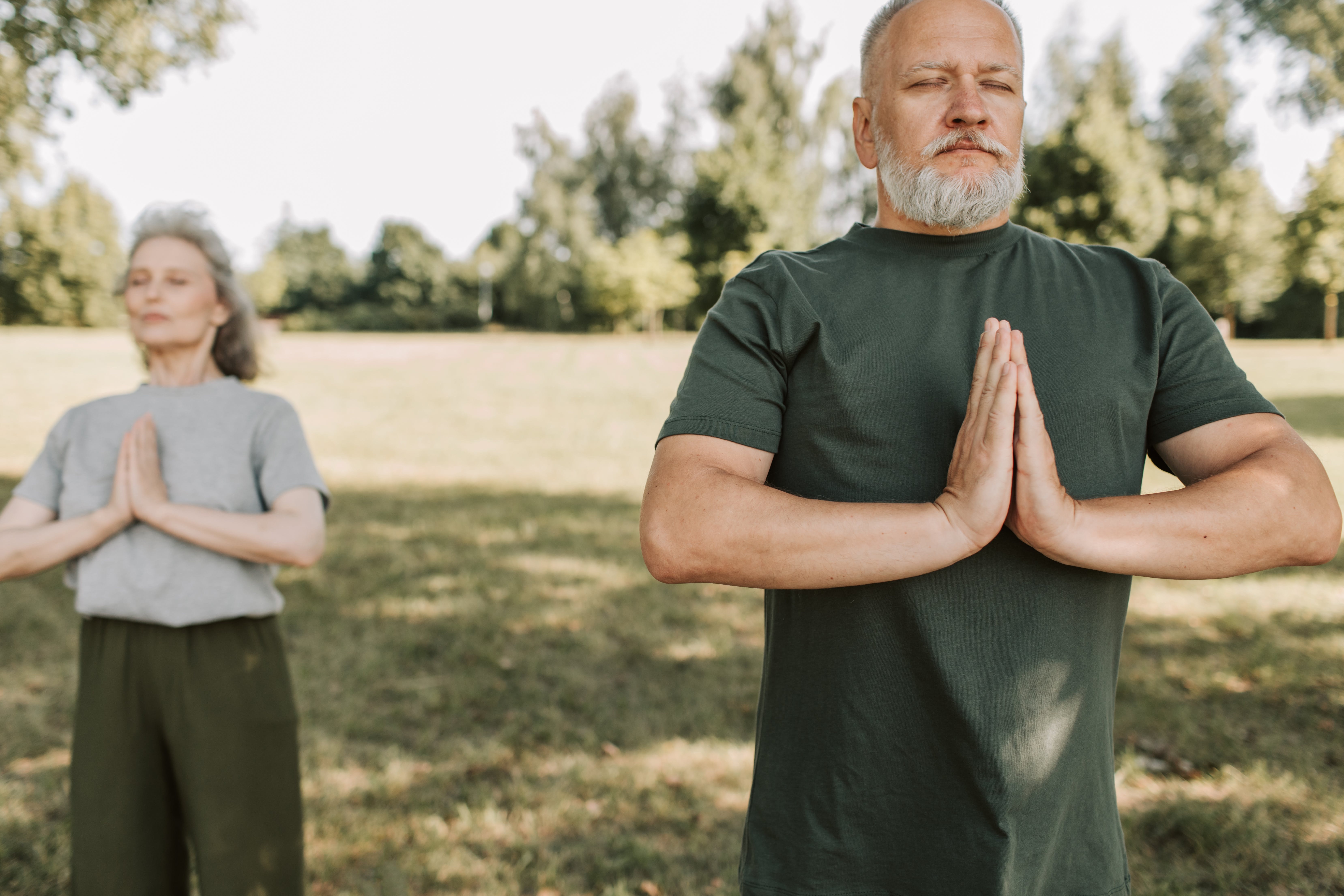
Living healthy longer is now something most people are looking for. It is not just about living longer but also with able body and mind.
Even the healthiest person can not escape death. We all suffer sickness and illnesses regardless of our lifestyle. We often get surprised of those people we known getting a heart stroke even if they are eating healthful food or regularly exercise. Those who smoke surprisingly live beyond 60 years old without any diseases or illnesses.
Oftentimes, there are reasons and causes for such diseases and illnesses that doctors and other health specialists tell us many times such as not exercising, lack of sleep, stress, smoking, drinking, and/or eating processed food. Not to mention going to places that are at risk of getting infectious disease.
And most of the time, it is just cause of aging and genes which we can not escape as aging is just basically the wear and tear of the body and genes, is just how we are made from the very start. Just like a car, at some point, it will break down and be unusable because of continuous usage. A regular car can not be used to race against an F1 car. It will just breakdown faster.
So, to me, it is about moderation. Consuming and living a life of just enough that our body and mind can take.
How to Extend Your Healthy Years, Not Just Your Life
Most people want to live longer, but not at the cost of living with chronic diseases and disabilities. That’s why many researchers and health experts are shifting their focus from extending life span to extending health span, which is the period of life free of serious illness and impairment.
One of the most promising ways to achieve this goal is by slowing down the biological aging process, which is the gradual decline of cellular functions and organ systems over time. Aging is the major risk factor for many chronic conditions, such as heart disease, cancer, diabetes, and Alzheimer’s disease. By delaying aging, we can potentially prevent or postpone the onset of these diseases and improve the quality of life for older adults.
But how can we slow down aging? Is it even possible? And what are the benefits and challenges of doing so? In this blog post, we will explore these questions and share some of the latest scientific findings and practical tips on how to extend your healthy years, not just your life.
What Causes Aging?
Aging is a complex and multifactorial process that involves various molecular and cellular mechanisms. Some of the main factors that contribute to aging are:
DNA damage: As we age, our DNA accumulates mutations and errors that can impair the function and integrity of our cells. DNA damage can be caused by external factors, such as UV radiation, smoking, and environmental toxins, or by internal factors, such as oxidative stress and inflammation.
Cellular senescence: This is a state in which cells stop dividing and become dysfunctional. Senescent cells secrete harmful molecules that can damage nearby cells and tissues. Senescence can be triggered by DNA damage, telomere shortening, or other stressors.
Inflammation: This is a normal immune response to infection or injury, but chronic inflammation can have detrimental effects on our health. Inflammation can promote aging by causing tissue damage, oxidative stress, and senescence.
Stress response: This is a set of reactions that help us cope with stressors, such as heat, cold, starvation, or infection. However, if the stress response is impaired or overactivated, it can also accelerate aging by affecting cellular metabolism, hormone levels, and gene expression.
These factors interact with each other and influence the aging process in different organs and systems. For example, aging can affect the brain by causing cognitive decline, memory loss, and neurodegeneration; the heart by causing cardiovascular disease, hypertension, and arrhythmia; the skin by causing wrinkles, sagging, and dryness; and so on.
How to Slow Down Aging?
There is no magic pill or fountain of youth that can reverse or stop aging completely. However, there are some interventions that have been shown to slow down aging in animal models and human studies. These include:
Calorie restriction: This is the practice of reducing calorie intake without causing malnutrition. Calorie restriction has been shown to extend lifespan and healthspan in various organisms, from worms to mice to monkeys. It works by modulating various pathways related to metabolism, stress response, inflammation, and cellular repair.
Intermittent fasting: This is a type of calorie restriction that involves alternating periods of eating and fasting. Intermittent fasting has similar effects as calorie restriction on aging and health outcomes. It may also have additional benefits for brain health by enhancing neurogenesis and synaptic plasticity.
Exercise: This is one of the best ways to improve physical and mental health at any age. Exercise can slow down aging by improving cardiovascular function, muscle strength, bone density, immune system, brain function, mood, and more. It can also reduce inflammation, oxidative stress, DNA damage, and senescence.
Dietary supplements: There are some natural compounds that have been shown to mimic or enhance the effects of calorie restriction or exercise on aging. These include resveratrol (found in red wine), curcumin (found in turmeric), metformin (a diabetes drug), rapamycin (an immunosuppressant drug), nicotinamide riboside (a form of vitamin B3), and others. However, more research is needed to confirm their safety and efficacy in humans.
Gene therapy: This is a novel approach that involves modifying or replacing genes that are involved in aging or disease processes. Gene therapy has been used to treat some genetic disorders in humans, such as hemophilia or spinal muscular atrophy. It may also have potential applications for slowing down aging by targeting genes related to DNA repair, telomere maintenance, senescence removal,
or stem cell regeneration.
What are the Benefits and Challenges of Slowing Down Aging?
Slowing down aging has many potential benefits for individuals and society. Some of these are:
Increased lifespan: Slowing down aging could extend our lifespan by delaying or preventing age-related diseases and mortality. According to some estimates¹, slowing down aging by 20% could increase human lifespan by 5 years on average.
Increased healthspan: Slowing down aging could also extend our healthspan by preserving our physical and mental function and well-being. This could improve our quality of life and reduce the burden of chronic diseases and disabilities.
Reduced healthcare costs: Slowing down aging could reduce the healthcare costs associated with aging and age-related diseases. According to a study², slowing down aging by 20% could save $7.1 trillion in healthcare spending in the US over 50 years.
Enhanced social and economic productivity: Slowing down aging could enhance our social and economic productivity by allowing us to work longer, learn new skills, contribute to society, and enjoy life more.
However, slowing down aging also poses some challenges and ethical issues. Some of these are:
Population growth: Slowing down aging could increase the population size and density, which could have negative impacts on the environment, resources, and sustainability. It could also create social and political conflicts over immigration, distribution, and governance.
Inequality: Slowing down aging could widen the gap between the rich and the poor, as not everyone may have equal access to the interventions that can slow down aging. It could also create generational differences and tensions between the young and the old.
Identity and meaning: Slowing down aging could affect our sense of identity and meaning, as we may have to adjust to longer lives, changing roles, and new challenges. It could also raise questions about the purpose and value of life, death, and spirituality.
How to Live Fully Despite Sudden Illnesses?
Slowing down aging is not a guarantee that we will never face sudden illnesses or accidents that could impair our health and well-being. Life is unpredictable and fragile, and we should be prepared for any eventuality. However, this does not mean that we should live in fear or despair. Instead, we should live fully despite sudden illnesses by following these tips:
Seek medical help: If you experience any symptoms or signs of a sudden illness, such as chest pain, difficulty breathing, severe headache, or loss of consciousness, seek medical help immediately. Early diagnosis and treatment can save your life and prevent complications.
Follow your treatment plan: If you are diagnosed with a sudden illness, follow your doctor’s advice and treatment plan. Take your medications as prescribed, attend your follow-up appointments, and monitor your condition. Ask questions if you have any doubts or concerns.
Seek support: If you are coping with a sudden illness, seek support from your family, friends, or other sources. You don’t have to go through this alone. Share your feelings, fears, hopes, and needs with others who can understand and help you. You can also join a support group or seek professional counseling if needed.
Adapt to changes: If you are living with a sudden illness, adapt to the changes that it may bring to your life. You may have to modify your lifestyle, habits, routines, or goals to accommodate your new situation. Be flexible and open-minded, and focus on what you can do rather than what you can’t.
Maintain a positive attitude: If you are facing a sudden illness, maintain a positive attitude towards yourself and your future. Don’t let your illness define you or limit you. Recognize your strengths, achievements, and values. Express gratitude for what you have and hope for what you want. Be optimistic and resilient.
Conclusion
Slowing down aging is a worthy goal that can benefit us individually and collectively. However, it is not a panacea that can eliminate all the risks and uncertainties of life. We should strive to slow down aging by adopting healthy habits and interventions that can improve our lifespan and healthspan. But we should also be prepared to face sudden illnesses that may challenge our health and well-being.
We should live fully despite sudden illnesses by seeking medical help, following our treatment plan, seeking support, adapting to changes, and maintaining a positive attitude. By doing so, we can make the most of our lives regardless of our age or condition.
Sources:
- Ways to Extend Your Healthy Years, Not Just Your Life
- Here’s How Much Longer You Can Live With a Healthy Lifestyle | TIME.
- 6 Science-Backed Life Hacks to Increase Your Longevity – Insider
- Can You Lengthen Your Life? | NIH News in Health
- Researchers May Have Found a Way to Slow Human Aging
- Aging: What to expect – Mayo Clinic.
- 5 Ways to Slow Down the Aging Process – Your Heights
- 11 ways to reduce premature skin aging – American Academy of Dermatology.
- A to Z list of common illnesses and conditions | NHS inform
- Infectious diseases – Symptoms & causes – Mayo Clinic
- What is another word for “sudden illness”? – WordHippo
- Types of Accidents and Sudden Illnesses that Might Occur.
- Nausea and vomiting Causes – Mayo Clinic

Leave a Reply