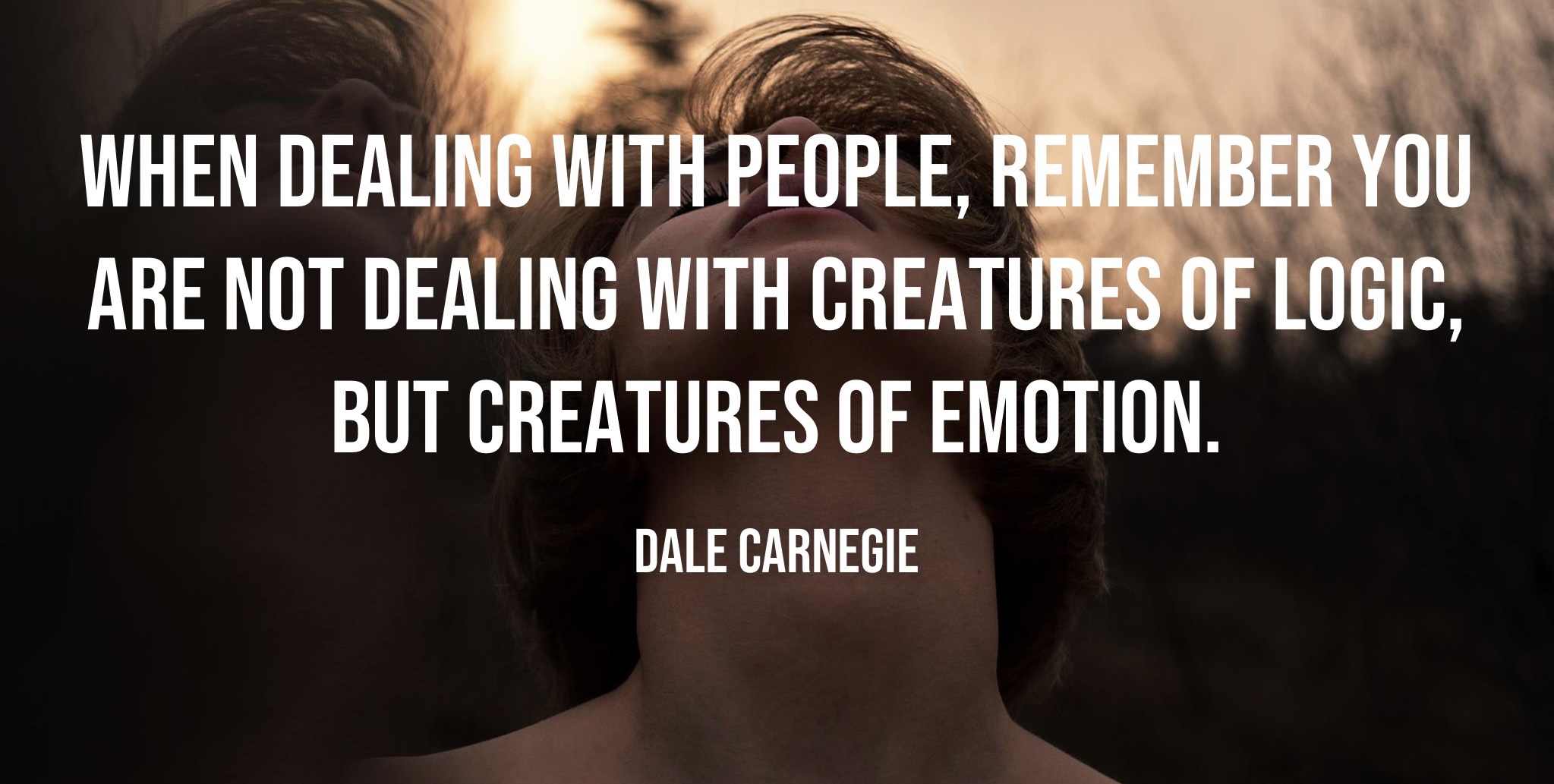
Emotions like anger, fear, sadness, and anxiety are some that we feel in our lives. We tend to give in to these feelings and either we make the right decision or the wrong one. We may make people happy or hurt them at the moment or for a long time.
These emotions can have a powerful impact on our decision-making processes, leading us to either make the right choices or veer off course. The influence of these feelings isn’t limited to our own experiences; they can also affect the people around us, shaping their emotional well-being in the moment and potentially leaving a lasting impact on their lives. It’s important to recognize the depth of these emotions and the significant role they play in influencing our actions and interactions with others.
Why do we give in to our emotions? Even the most disciplined person would, at some point in his/her life, let the emotions flow and affect his/her decision thus producing the action that may or may not help anyone.
It’s a complex interplay between our rationality and our emotions. Our emotions are a fundamental part of human nature, influencing our thoughts, behaviors, and decision-making processes. While we strive to make logical and calculated choices, our emotions often have a powerful sway over us, shaping our perceptions and influencing our reactions to various situations. In some cases, allowing our emotions to guide our actions can lead to empathy and understanding, fostering positive connections with others. However, there are also instances where succumbing to our emotions can result in impulsive or irrational behavior, potentially causing harm to ourselves or those around us. Understanding the triggers and manifestations of our emotions is essential in navigating the intricate relationship between rationality and emotionality.

Our emotions are handled by the most primitive part of our brain, known as the amygdala. It developed over time to create a flight or fight response. It’s very purpose is survival. And when our emotions are high, they cloud our judgment and affect our reaction to the situation.
This small but powerful structure developed over millions of years of evolution to create the famous “fight or flight” response to perceived threats. Its very purpose is survival, and it continues to play a key role in our daily lives. When our emotions are high, the amygdala can override our rational thinking and impact our reactions to various situations, often leading us to make decisions based on instinct rather than logic. In these moments, it is crucial to take a step back and allow our more advanced cognitive processes to weigh in, helping us to make informed choices rather than impulsive ones.
Whatever we are feeling is true. That gut feel is true. It resulted from a culmination of our experiences and what we have gathered from our interaction with the world. Whatever we are feeling, may it be fear or anxiety that puts us on our toes or anger that makes us hurt other people, that moment we feel it is real. Follow your heart is what they say. There is truth in that.
Whatever we are feeling is indeed a reflection of our inner reality. Our emotional responses, whether it’s a sense of exhilaration and joy, or trepidation and worry, are deeply rooted in our experiences and the insights we have gained from our interactions with the world around us. Each emotion we experience, whether it’s the unease of anxiety, the surge of anger, or the warmth of love, holds a sense of undeniable truth at the moment we feel it. The notion of “follow your heart” has persisted through time, and it holds a profound truth – our emotions often guide us toward our authentic desires and needs. And while emotions are indeed real and valid, they also offer us an opportunity to explore and understand ourselves on a deeper level.
Channeling your emotions
Emotions help us to survive. It helps us to deal with the ever-chaotic world that we live in. It warns us that something is wrong and we need to do something about it. That is what we need to do. When we feel something, trust it, and do something about it. But, we should be careful with the actions that we take as a result of that. When we let emotions control us, we hurt ourselves and other people. We shouldn’t do that.
Recently, I just said the wrong things to a person because I felt slightly angry about a situation we were in during that moment. I raised my voice and it was very demeaning. The person cried silently. For me, during that time, I got irritated because I got everything planned out and I didn’t want it messed up. In effect, instead of saying calmly what I wanted to say, I raised my voice. I gave in to my emotions without thinking how it would affect her. (If you are reading this, Ne, I’m sorry. I’ll do better.)
Be considerate
Sometimes, even if we are so disciplined and know what to do, we veer away from doing what is right and give in to our emotions. We hurt the people we love. It is never a good outcome.
We hurt the people we love, causing unnecessary pain and sadness. It is never a good outcome when we prioritize our temporary emotions over our long-term relationships. It’s important to remember that while emotions are valid, acting on them impulsively can lead to regrets and damaged connections. Understanding this can help us develop the resilience to navigate difficult emotions without causing harm to those around us.
While we should trust our emotions, don’t let them decide for us. Take a deep breath and channel your logical brain to take action better in the hope that we achieve a solution for a possible problem that our feelings are warning and telling us without hurting anyone.
Taking a moment to pause, taking a deep breath, and allowing our logical mind to come into play can lead to more well-considered actions. By harnessing our rationality alongside our emotions, we can aim to address the concerns raised by our feelings in a constructive manner, striving to find a resolution that not only addresses any potential issues but also minimizes any adverse impact on others.
