Personal Development Archives - Page 3 of 27 - MY EXPERIENCE | MY EXPERTISE
Advertisements

Category: Personal Development

  • Measuring Empathy | Sensitivity vs Quality

    Measuring Empathy | Sensitivity vs Quality

    Measuring empathy is tricky. The idea of empathy is all about understanding and sharing other people’s feelings. It’s a big deal in professional settings where connections between people really matter. In a call center, where communication is all about transactions, showing empathy can be tricky.

    The question is: How do you measure or quantify something as deep as thoughts and emotions in a call center? The usual performance metrics may not really capture the complexities of empathy, making it tough for organizations to promote empathetic practices. And then there’s the question of whether it’s possible to be overly empathetic, and what that means for both the individual and the dynamics of the call center. These are tough questions that show just how tricky it is to bring empathy into the professional world.

    The whole deal with these tricky questions really makes you stop and think about how important it is to get where the other person is coming from, especially in a job like working at a call center. It’s not easy to develop and measure empathy in that kind of environment, you know?

    Empathy in the BPO Industry: A Candid Insight

    Drawing from my extensive experience in the Business Process Outsourcing (BPO) sector, I’m still really interested in figuring out how to measure empathy. In a world where efficiency and client satisfaction are so important, empathy isn’t just a nice-to-have – it’s a must. It’s a big factor in evaluating quality and creating outstanding customer experiences. In the competitive BPO industry, the big question is: How can we accurately gauge empathy?

    Assessing empathy within the BPO industry is a big deal. It’s not just about asking customers how they feel, but also about using role-playing and simulated interactions to really understand how well BPO professionals can show empathy. It’s like getting the inside scoop on how these guys can make customers feel heard and supported.

    Furthermore, using fancy analytics and sentiment analysis software can give us real numbers on how empathetic we’re being with customers, by checking out the language, tone, and sentiment in our interactions. This data-driven method helps us really get how empathy is coming across and being understood in the BPO world.

    In addition to all that stuff, ongoing training and development programs that really focus on building empathy can be super important in making a culture of empathy in BPO organizations. By making empathy a big deal and giving people the resources to keep getting better, BPO pros can really step up their game when it comes to connecting with clients on a deeper, more empathetic level.

    Overall, checking for empathy in the BPO industry is a big deal. It’s not just about numbers and surveys, it’s also about building a work environment where empathy thrives. As the BPO world keeps changing, being able to understand and promote empathy will always be super important for giving customers an awesome experience.

    Quality Assessments and Customer Satisfaction

    Within the world of call centers, quality assessments go beyond just following the rules; they’re all about showing real understanding. For me, when I talk to a company, it means a lot when they genuinely acknowledge my concerns and really get where I’m coming from. Recognizing and validating customers’ feelings is way more important than just pretending to care. But hey, some people do expect a higher level of empathy from customer service reps, and that’s important to keep in mind too.

    Perhaps the best way to tell if we’re really empathetic is by listening to the folks we’re trying to help: our customers. Did they feel like we actually cared when they reached out? Did we sort out their problem properly? What they tell us is super important for figuring out how well we’re doing and making sure our team members are looking out for the company while also understanding and handling things from the customers’ point of view.

    Empathy as a Strategic Imperative

    In today’s ever-changing world of BPO operations, empathy goes beyond just understanding – it’s a powerful tool for building strong connections with customers. Companies that skillfully weave empathy into their operations are set to nurture long-lasting customer relationships. That’s why it’s crucial to give empathy the same level of focus as other key business metrics.

    To make sure everyone in the call center gets what empathy is all about, we got to have some solid training programs. It’s not just about recognizing how customers feel, but also about balancing empathy with getting things done. Role-playing, empathy workshops, and mental health training are key to helping reps handle tricky emotional situations.

    Cutting-edge tech is super important for understanding how empathetic we’re being. Stuff like analyzing how we talk, voice recognition, and CRM systems really help us figure out if we’re showing empathy or not.

    In a worldwide industry like BPO, it’s super important to really get different cultures, you know? Like, understanding all those little cultural details is key to showing empathy. When reps go through cultural awareness training, they learn how to connect with people from all kinds of backgrounds, making sure their communication is spot on and respectful.

    Reign of Empathy in Quality Assessments

    Embracing empathy as a big deal in a call center means realizing that it can be tough on the employees. Dealing with customers’ emotional ups and downs all the time can really take its toll. Companies need to step up and take care of their people’s feelings, providing counseling, stress-busting activities, and a supportive workplace.

    In simple terms, empathy is crucial for keeping customers happy and getting them to spread the good word about your business. By making empathy a key part of quality assessments, companies can keep an eye on how they’re doing and make smart choices to keep their customers satisfied.

    Empathy is not just a passing fad; it’s a big deal in the call center world. It’s tough to measure, but it really makes customers happy and loyal. Let’s not forget that there are real people on the other end of the line, looking for some understanding and solutions. By making empathy a key part of quality checks, we not only make customers happier, but also keep the human connection alive in the BPO world.

  • Lie | Right or Wrong For Me or You

    Lie | Right or Wrong For Me or You

    Lie. Is it right or wrong? I met this person once and he said that as long as they are happy, he is not doing anything wrong. He also said that as long as the other person doesn’t know, he is not lying. What you don’t know won’t hurt you, right? Or is it?

    This guy is notorious for cheating on his wife. From the very first time I met him, I had heard stories about him. I had seen him in action. He flirts. I saw him coming to work early and going home late just to do his stuff. And all of these he hid from his wife. Well, eventually, it was discovered but that didn’t stop him. He still has been doing it.

    The pretend story

    He was very secretive. But he is proud of his affairs. He even brought flowers to the office to give to his mistress. He even says goodbye to us saying they are leaving. One time, he bought another of her so-called girlfriend a cabinet. I think he is somehow telling her that they can live their own life.

    But who is he really lying to? The people around him or himself? How does living a double life work? I imagine being a different person between being away at work and being with his family.

    Telling an entirely different story from the truth or intentionally holding back something is lying. You have to create a story that will flawlessly tie things up when you get asked. It requires so much effort, time and money just to keep the lie going.

    Truth can set you free. Cliche? Yes, but being free is all about doing what you need and want to do. Whatever you want to do, with truth with it, you can move freely, tell your stories as is, and never think of anything else.

    Right or wrong

    He said that what is right for him can be wrong for me and vice versa. What is right for me can be wrong for him. Well, if the world goes like that, how do we proceed as human beings. He said that his wife is happy. He keeps her happy by not telling her the truth. By lying, he protects her from the pain he is causing her. That is what is right for him. Of course, you will totally disagree. That is totally wrong.

    Though it made me think about what he said between right and wrong. We all have our conceive notion of what is what. This is our own belief. We value this and we live our lives through this dogma. However, if we come to think of it, if we all have our own perception and understanding what is right and wrong, there will always be conflicts. Which, as a matter of fact, there is. So then again, he may be right at that point. We are left to our own devices.

    However, that does not justify lying. Concealing the truth, telling a different story, or even keeping some truth is still lying. In his case, his being unfaithful because he enjoys the feeling of being wanted by someone else lifts up his ego and pride. Thinking that he can get whoever gives him so much confidence even though it hurts his family.

    It’s super important to dig into the nitty-gritty of human behavior and psychology to really get why people do the things they do. The mix of feelings, ego, and wanting validation can push folks to make choices that have a big impact on themselves and everyone around them. Wanting to feel wanted and valued can be a huge driving force, leading to decisions that might not line up with what society expects or what we believe in.

    These actions have a massive impact on relationships and families. The fallout from cheating affects everyone involved, causing a lot of emotional pain, breaking trust, and damaging family bonds in a big way. The clash between personal desires and family duties brings up some serious ethical and moral questions, showing how tricky it is to balance our own happiness with the well-being of our loved ones.

    As we navigate the complexity of human relationships and moral challenges, it’s crucial to remember that every person has value, while also realizing the weight of our choices and how they affect others. Getting to the root of these behaviors gives us a chance to reflect, empathize, and understand, ultimately guiding us toward growth, kindness, and making ethical decisions.

    Admitting or Stopping Requires Courage

    Be honest to yourself. Admit what you want and go for it. You’ll hurt people. Yes. But, what is it that you truly want? If you don’t go for it and keep doing it behind people’s backs that you end up hurting them, who are you kidding? To the guy, I’ve mentioned above, he needs to figure out what he wants between being a father and a husband and someone who can’t let go of his younger years when sex is the only thing that matters.

    The aftermath of lying is a total mess. It’s not just about fessing up and stopping the lies; it’s about dealing with all the fallout. The urge to just forget the truth and move on, even though it hurts like crazy, creates a deep crack that’s hard to fix. This crack leads to doubts that mess with every future decision and action, making it hard to trust yourself. Lying messes up the foundation of trust in relationships, so rebuilding it feels like climbing a mountain. The leftovers of the lie stick around, constantly reminding you of the broken trust and how fragile the truth can be.

    It’s super important to think about how our actions affect others. Before making decisions, take some time to really think about what it all means. By making sure our actions are honest, we keep things real with the people around us. This kind of thinking goes beyond just us and helps create a community that’s all about being truthful and taking responsibility. When we really think about our choices, we make a place where truth and being genuine are what really matters.

  • Investment | Breaking the fear of the unknown

    Investment | Breaking the fear of the unknown

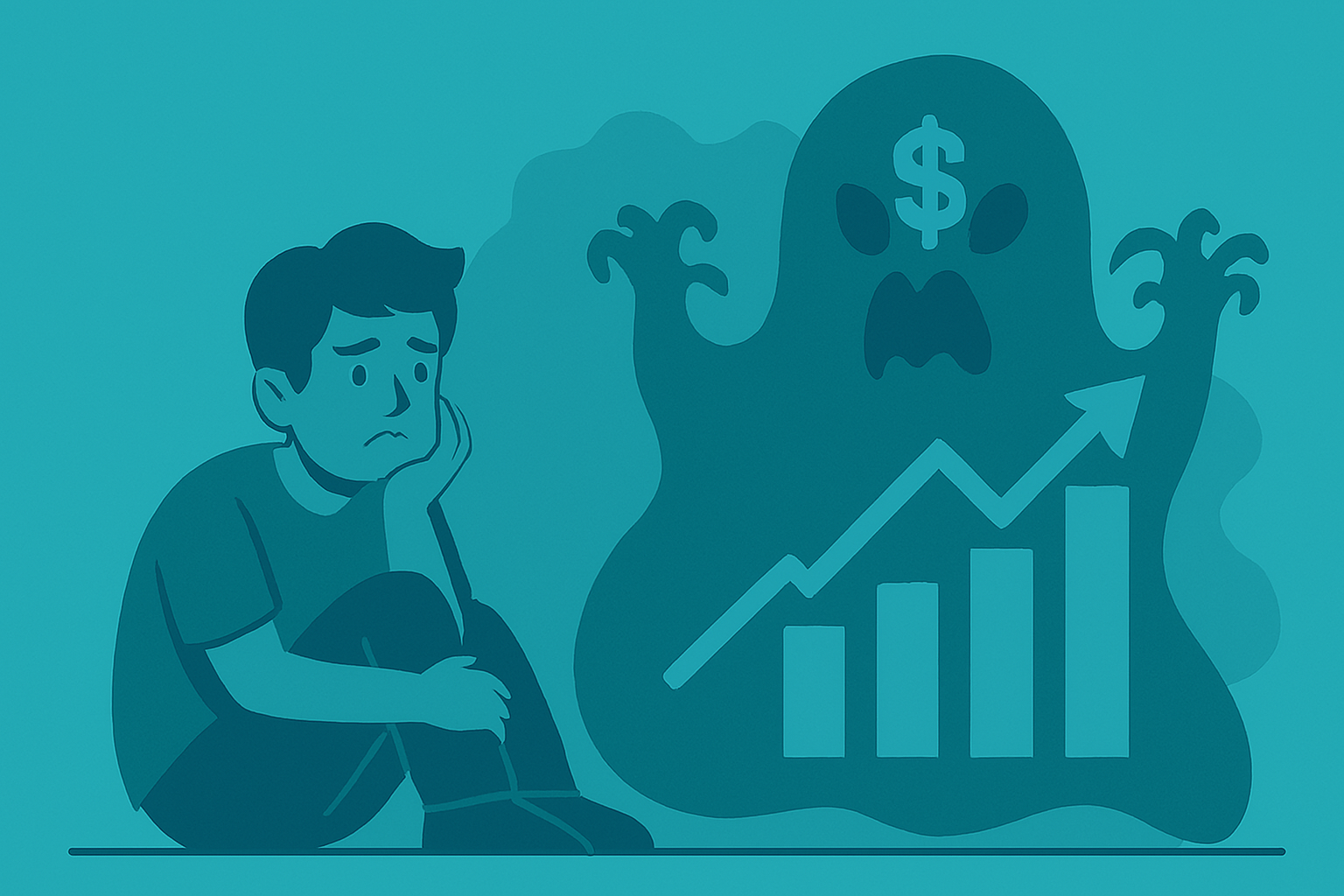
    Most people do not invest, and for those who do, most are not successful. This leaves us with a very small percentage of the population that gains from investments. The question now is why only the very few get rich in investments. What is stopping the rest from becoming investors and becoming rich?

    Let’s go back for a moment. When we hear the word “investment” in a conversation or read articles, it often focuses on getting rich fast. This isn’t true. Investment doesn’t bring quick wealth. It takes time, understanding, and self-control. These are the things most people lack.

    Investing is a long-term game that requires patience, learning, and the ability to stick to a plan, even when the market is unpredictable. The attraction of quick wealth often hides the true nature of the investment process. Successful investors know the importance of making informed decisions and staying committed to their strategy, even in tough times. Recognizing opportunities, managing risks, and diversifying one’s portfolio are crucial for success.

    Moreover, many people don’t have enough knowledge about money and investments, which makes it hard for them to start investing. The fear of losing money and the complexity of financial markets can be too much, so they avoid investing altogether. Some people also find it difficult to save enough money to start investing because they think they don’t have enough to spare or they don’t know where to begin.

    Empowering people with money know-how and promoting a practical view of investing can help remove obstacles. By offering easy-to-reach tools, advice, and mentorship, more folks can gain the courage and knowledge to take part in investing. Creating a space where people can learn from each other and get help in their investment journey can also boost the number of successful investors in the community.

    The path to becoming a successful investor and reaping the rewards of investments involves reshaping your attitude towards money, committing to continuous learning, and having reliable financial guidance. By addressing the barriers that hinder people from investing, we can work towards a future where more individuals can benefit from investment opportunities.

    Risks make it scary

    When it comes to investing, it’s crucial to have a clear understanding of one’s financial goals, risk tolerance, and time horizon. The fear and uncertainty associated with investing often stem from a lack of knowledge or unrealistic expectations. It’s natural to feel apprehensive when the future of your hard-earned money is at stake. However, it’s important to remember that well-informed and strategic investing can pave the way for long-term financial growth and stability.

    One key factor that contributes to feelings of unease is the perception of uncertainty in the market. Fluctuations in stock prices and the volatility of cryptocurrencies can indeed be intimidating, but it’s essential to approach these situations with a rational mindset. Instead of being driven by fear during market downturns, some seasoned investors view them as potential buying opportunities. This approach requires patience and a long-term perspective, as the rewards of investing may not materialize overnight.

    It’s essential to differentiate between genuine investing and get-rich-quick schemes. True investing involves a comprehensive analysis of a company’s fundamentals, including its vision, mission, and business model. By aligning one’s investment choices with the long-term prospects of a company, individuals can contribute to its growth while potentially reaping financial rewards over time.

    By understanding that investing takes time and knowing the basic principles of smart investing, people can make better decisions that aren’t swayed by fear and short-term market changes. This change in thinking can help investors stick to their plan and resist making decisions based only on emotions.

    Investment is not gambling

    Investing is not gambling but it is risky. It comes with uncertainties. And the only way to minimize those uncertainties is to know more. Knowing more about how an investment works and knowing more about the company your are investing will give you a good night sleep. But, again, it is not an overnight thing. It will take years. So make sure you are investing for your far future not near future.

    When you invest, it’s not the same as gambling. Although there are risks, it’s important to know that it’s a well-thought-out way to manage your money. By understanding how investments work and learning about the companies you’re investing in, you can reduce the uncertainties. This knowledge can give you a sense of security, so you can feel confident about your decisions.

    However, it’s essential to acknowledge that the process of building a successful investment portfolio is not something that yields immediate results. It requires a long-term perspective and patience. The benefits of your investment strategy may not materialize overnight, but with perseverance and a focus on the future, you can work towards achieving your financial goals. Therefore, when considering investments, it’s prudent to align your mindset with long-term outcomes rather than seeking immediate gratification. By investing with a far-future orientation, you can position yourself for financial security and stability as the years progress.

    Start Researching

    The importance of consuming informative content cannot be overstated. Instead of mindlessly scrolling through entertaining reels and TikTok videos, consider delving into enriching articles available online. By investing time in learning and expanding your knowledge base, you can gain valuable insights and knowledge that can positively impact your life. Embracing this mindset allows you to explore a myriad of stories and information, providing a platform for continuous learning and personal growth.

    When it comes to investing, knowledge is indeed power. By immersing yourself in valuable content related to investments, you can acquire the necessary know-how to make informed decisions. Whether it’s understanding the intricacies of various investment opportunities or learning from the experiences of successful investors, consuming relevant information is pivotal in your journey toward financial growth and security.

    Furthermore, the element of time plays a crucial role in this equation. Starting now rather than later is essential, as time is an invaluable asset when it comes to investing. By initiating this process promptly, you allow yourself the opportunity to learn, adapt, and apply your knowledge effectively. This proactive approach maximizes the potential benefits that diligent information consumption and timely action can yield. Therefore, embrace the opportunity to learn and grow through consuming relevant material, and take proactive steps to invest in your future.

  • Gossiping About Others At Work

    Gossiping About Others At Work

    I read a post somewhere about what is the purpose of saying a bad thing about another person. What does it serve? Who does it help? Is it even the truth?

    When I read this, it got me thinking about things we say about one another at work. At first, we may think that it is harmless. That we are just letting out some steam especially when we do not like the person.

    But, it could harm others without us knowing it.


    “Waste of time. We always exceed the allotted time for this meeting because of these recaps in between.”, Jim said to his boss in a chat. He was talking about the one speaking during that meeting who always repeats what the previous person said.

    “Hahaha. And we have not discussed the two critical items yet. We are just discussing where the project is now.”, replied Mac.

    Jim and his boss have been working together for about 10 years. Most of their conversation is about work, strategies and goals. But, sometimes, simple chats like this slips through. They have a habit of suddenly talking about people they do not like so much.


    The Slippery Slope of “Just Venting”

    At work, we often speak about others when they’re not around. Sometimes it’s frustration. Sometimes it’s gossip disguised as concern. And sometimes, it’s just a moment of weakness—a snide remark, a sarcastic jab, a passive-aggressive comment that slips out when we think no one’s really listening.

    We rationalize it. I don’t like that person anyway.
    They deserve it.
    It’s not like I’m saying it to their face.

    But here’s the thing: words don’t vanish. They echo. They shape perceptions. They travel in ways we don’t anticipate. And even if the person we’re talking about never hears them directly, someone else does. Someone who might carry that impression forward. Someone who might treat that person differently because of what we said.

    Truth vs. Impact

    One of the most dangerous assumptions we make is that if something is “true,” it’s okay to say. But truth isn’t a free pass. Accuracy doesn’t absolve us from responsibility. The question isn’t just is it true?—it’s is it helpful?
    Is it necessary?
    Is it kind?

    Criticism, even when valid, can be weaponized. And when it’s shared without context, compassion, or purpose, it becomes less about truth and more about ego. A way to elevate ourselves by diminishing someone else.

    The Invisible Harm

    What we say about others—especially in professional settings—can quietly erode trust. It can create divisions, foster resentment, and poison team culture. And often, the damage is invisible. The person being talked about may never know why they’re being excluded, why their ideas are dismissed, why they feel isolated.

    We don’t always see the ripple effect. But it’s there.

    A Better Way Forward

    This isn’t a call for silence. It’s a call for intention.
    If you’re frustrated with someone, address it directly and respectfully.
    If you need to vent, choose someone who will help you process, not amplify.
    If you’re tempted to speak ill of someone, pause and ask: What am I trying to achieve?

    Because in the end, our words are not just reflections of our thoughts—they’re instruments of influence. And in a world already saturated with noise, choosing to speak with integrity is a quiet act of leadership.

  • Are You A Condescending Leader?

    Are You A Condescending Leader?

    Ever wonder if your boss is testing you by the way he or she asks a question? For example, when you just got off a meeting where your boss asks for something to be sent to him or her by a certain deadline, and then a couple of minutes later (or maybe the day after), will ask you what was the thing he or she is expecting to receive?

    Well, maybe I am just assuming but given the boss’ skillset and place in the organization, I do not think he or she would really ask as if he or she forgot it. In my experience, yeah. This is a test.

    Why do bosses become skeptical of their own team? Just like in the Netflix series “3 Body Problem” (originally a book), when in one scene, the head of the project asks Auggie (one of the lead scientist in the series) was asked to double check Raj’s (the military man) work. And during the same scene, the same boss asked Raj to triple check Auggie’s work.

    Is this about trust? Is it about the leaders observation on how a person in the team works therefore leading to tests and checks?

    Well, for one, I personally do not appreciate it. The more I feel like I am not trusted, the more I do not care and push to get the trust. Doesn’t matter. Once trust is broken, it is near impossible to get back. It will require a long time, a change in personality, in behavior, and building good relationship. If I don’t find it worthy to spend much time doing this, I just don’t care.

    But, let me tell you something…I lead people too. And this trick is not in my sleeves. I don’t test and check my team. I trust them based on what they show me. Then, I make my moves based on that. For example, I had this person in my team before that does not deliver when there are no clear dates when to deliver. We are all guilty of this. Don’t be a hypocrite. So, instead of constantly doing tests or checks, I just gave the person a deadline that he or she can commit to. And voila, work done!

    As me reporting to someone, especially when I am asked by the highest ranking person in the company, I react based on the situation. One time, this person created a chat with me with another person. The other person responded to him almost immediately to all his/her questions. So, I just read it. Didn’t participate in the conversation. Then, the highest ranking person chatted me separately asking if I am seeing the chats in the other room. I said yes and told him/her that I opted not to respond since the other person is already providing answers to the questions. I think he/she was pissed. Or he/she just does not have high EQ. That’s okay.

    For me, it is good to build relationship at work. It makes the work easier to do when you enjoy the company of people you work with. But it is also good to always remember that it is just work. And as long as the work we are paid for are being completed, then it is okay.

    Leaders should not test or check their teams in a way that is like trying to find some fault. Like an entrapment. It is not a very good practice. What does that even say about ourselves? That we are so perfect and we know people make mistakes and we should get that out in the open? Make the person realize that we are the boss and they should be scared of us if we caught a mistake? (Well, maybe it is me just thinking about that)

    Give clear communication. Do not be condescending. This phrase, “That’s what I am saying…” is very condescending. What’s the point of saying that? That you are right, finally the other person understood, and the other person was wrong from the beginning? What made you so perfect in this world? Yeah?

    No side comments. Just focus on what needs to be done, the output, how, any specific format if you have any (but I doubt since most of the time you do not even know what you want to see), and when it is needed. Just that.

    Then shut up.

  • Micro shifts | A Possible Work-Life Balance

    Micro shifts | A Possible Work-Life Balance

    Micro shifts. Shorter hours. Some split their schedule throughout the day. Some work multiple jobs. Not applicable for all but, this looks like a shift from the regular straight 8 hours a week.

    Flexibility is what everyone is looking for. It is not just employer’s demand but the work must also meet the employee’s requirements.

    https://www.forbes.com/sites/bryanrobinson/2025/05/03/micro-shifts-gen-z-sets-another-new-workforce-trend-in-2025

    The article in the link above talks about a new trend of doing short hours of work between different kinds of jobs. It could be 4 hours doing office work then 2 hours driving a Grab or Uber then another 2 hours as a bartender and so on. It is like a multi-job or an approach in today’s gig economy.

    In my perspective, this can also be done with just one work and splitting the hours, instead of straight 8, to do other things in between not to mention that those hours could be spent better and more effectively depending on the nature of the work.


    “Wait. Let’s leave at 3. I have to work first.”

    It was around one in the afternoon on a Wednesday. I always schedule my work from 1pm to 3pm to finish my daily reports so that by 9pm. When our office opens, the reports are ready for everyone and I don’t have to do anything.

    Yeah. I work at night. Graveyard shift for the past 20 years.

    That day, we had to go to my daughter’s therapy. It was scheduled at 4pm and it takes us about 30 minutes to get there. So, I got to work first and finished it then took her to her session.

    “She’ll be out by 230pm. Be here by then.” It was my wife telling me this over a text message. She was in school waiting for our daughter’s class to end.

    “Yeah. I’ll be there.”


    I’ve been lucky to have this job. I started this in 2022. An offer to work from home. No physical site. Everyone works remotely. And depending on the work, we can slide our schedule or divide the 8 hours. The only caveat is no work is to be left undone.

    Before, I had to leave home at 3pm. Get into the office around 5pm or 6pm and left around 5am. I get home 6am. Sleep. And when I wake up, it is time to leave for office again. A life spent in the confines of office walls and busy street traveling back and forth.

    Now, I get to split my hours and do what I want to do. I spend most of my time with my family. It is easy for me to play my guitar in the church for masses. I get to see our friends whenever. All of these without a huge impact on my work.

    And I guess this micro shifts is something we can all benefit from. Of course it not applicable to everyone. A call center agent follows a strict schedule and they can’t split their hours. Those in the fast food too. Or for some others that do regular office jobs in the office.

    But maybe it is doable. And maybe some are doing it without them realizing it.

  • Unhappy Leave | A New Trending Bandaid

    Unhappy Leave | A New Trending Bandaid

    In today’s fast-paced and demanding work environment, a new concept called “unhappy leave” is gaining popularity. This innovative approach allows employees to take time off for emotional distress or mental health reasons. It acknowledges the importance of mental well-being in the workplace. Let’s explore the significance of this and why it’s becoming a trending bandaid for modern work culture.

    What Is Unhappy Leave?

    Unhappy leave is a type of leave where employees can take time off due to emotional distress, mental health issues, or feeling overwhelmed. Unlike traditional sick leave, which typically requires a physical illness, this recognizes the importance of mental health. This trend is growing as more companies understand that a mentally healthy workforce is crucial for productivity and engagement.

    The Rise of Mental Health Awareness

    In recent years, there has been a significant increase in mental health awareness. The COVID-19 pandemic highlighted the importance of mental well-being, as people worldwide faced unprecedented stress, anxiety, and isolation. Remote work blurred the boundaries between professional and personal life, leading to increased burnout and mental exhaustion. As a result, companies began to realize the necessity of supporting their employees’ mental health.

    The Importance of Unhappy Leave

    1. Promotes Mental Health: It provides employees with the time they need to address their mental health without stigma. It encourages self-care and seeking professional help when necessary.
    2. Reduces Burnout: Allowing employees to take time off when they are feeling mentally or emotionally drained helps reduce the risk of burnout. This leads to higher productivity and job satisfaction.
    3. Creates a Supportive Work Environment: Offering unhappy leave sends a strong message that the company values its employees’ well-being. It fosters a supportive and understanding work culture.
    4. Improves Employee Retention: Employees who feel supported by their employer are more likely to stay with the company. It can help retain top talent and reduce turnover rates.

    How to Implement Unhappy Leave

    For companies looking to adopt unhappy leave, here are some steps:

    1. Develop a Clear Policy: Clearly define the rules for unhappy leave, including how to request it, the duration, and any required documentation. Communicate this policy effectively to all employees.
    2. Train Managers and HR Staff: Train managers and HR personnel to recognize signs of mental health struggles and handle leave requests with empathy and discretion.
    3. Normalize Mental Health Conversations: Encourage open discussions about mental health through workshops, seminars, and regular check-ins.
    4. Provide Access to Mental Health Resources: Ensure that employees have access to mental health resources, such as counseling services, mental health days, and wellness programs.

    Challenges and Solutions

    While the concept of unhappy leave is promising, companies may face several challenges:

    1. Stigma: Despite increased awareness, there can still be stigma associated with taking leave for mental health reasons. Companies must work to normalize this and remove any negative perceptions.
    2. Policy Abuse: There is a risk that employees might misuse of it. Clear guidelines and processes, including documentation requirements, can help prevent abuse.
    3. Implementation Costs: Providing this may come with additional costs, especially for smaller companies. However, the long-term benefits of a mentally healthy workforce often outweigh these costs.

    The Future of Unhappy Leave

    The rise of unhappy leave represents a significant shift in how we view work and well-being. It challenges the traditional notion that productivity is solely tied to physical presence and instead recognizes the importance of mental and emotional health. By embracing unhappy leave, companies can create a more supportive, inclusive, and productive work environment.

    In conclusion, unhappy leave is more than just a trending bandaid; it’s a crucial step towards prioritizing employees’ well-being. As more companies adopt this practice, we can look forward to a future where mental health is given the same importance as physical health, leading to happier, healthier, and more engaged workforces.

    Check the link below for more information.

    https://www.forbes.com/sites/bryanrobinson/2024/10/14/effective-solutions-for-the-unhappy-leave-trend

  • Fear-based Leadership | What Fear Results To

    Fear-based Leadership | What Fear Results To

    We all must have experienced having a leader who instills fear to make us follow. A person who creates a negative scenario that we envision for ourselves puts us in defensive mode and affects our work. It could also hurt our mental health and well-being and in the long run, could be detrimental to ourselves.

    Fear-Based Leadership

    Fear-based leadership is when a leader uses intimidation and threats to control others. Instead of inspiring and motivating, these leaders make people afraid of consequences. Such leaders often think that instilling fear will keep everyone in line and ensure work gets done. While it may seem effective in the short term, it usually leads to a toxic environment.

    Mental Health Impact

    Being under constant fear and stress can take a toll on our mental health. We become anxious and worry about making mistakes. This anxiety can lead to depression and other mental health issues. The work environment becomes a place of dread rather than one of growth and productivity.

    Physical Health Consequences

    Fear and stress do not just affect our minds. Our bodies can also suffer. Constant stress can lead to various health problems, such as high blood pressure, heart disease, and even a weakened immune system. In the long run, the physical toll can be just as damaging as the mental impact.

    Reduced Productivity and Creativity

    When we work in fear, our productivity takes a hit. We are more focused on avoiding mistakes than on being innovative and creative. This stifles our ability to think outside the box and come up with new ideas. In the end, it hampers both personal and organizational growth.

    Creating a Supportive Environment

    The opposite of fear-based leadership is supportive leadership. This type of leader encourages, motivates, and supports their team. They build a positive work environment where people feel valued and respected. This leads to increased productivity, creativity, and overall job satisfaction.

    Personal Experience

    I once worked under a fear-based leader. Every day, I would dread going to work. The constant fear of making mistakes and the negative environment took a toll on my mental health. Eventually, I left that job. Since then, I’ve been more mindful of the type of leaders I choose to work with.

    Moving Forward

    We all have the power to choose how we respond to fear-based leadership. If you find yourself in such an environment, try to seek support and look for ways to cope. Consider talking to HR or seeking a different job where the environment is more positive. Your mental and physical health should always come first.

    Conclusion

    In summary, fear-based leadership is harmful to both employees and organizations. It negatively impacts mental and physical health, reduces productivity, and stifles creativity. On the other hand, supportive leadership fosters a positive environment where everyone can thrive. It’s important to recognize the signs of fear-based leadership and take steps to protect yourself.

    Sources:

    Related Articles:

    By recognizing and addressing fear-based leadership, we can create healthier and more productive work environments. Let’s strive for leadership that inspires, supports, and empowers.

  • Consumerism | Why Should We Buy Things

    Consumerism | Why Should We Buy Things

    When was the last time you bought something you didn’t need? Maybe it was a shiny new gadget, a pair of shoes, or a trendy kitchen appliance. We live in a world where buying things has become a daily habit. But have you ever stopped to wonder why we buy things? Let’s dive into the psychology of purchasing, and explore the advantages and disadvantages of buying things.

    The Psychology Behind Buying

    Humans are complex creatures, and our reasons for buying things are equally complex. Sometimes, we buy to fulfill a need. Other times, we buy to satisfy a want or a desire. There’s an emotional rush that comes with making a purchase, often called “retail therapy.” This rush can be addictive, giving us a temporary high that distracts us from our problems.

    Advertising and social media also play significant roles in our buying behavior. We’re constantly bombarded with images of the latest products, trends, and lifestyles. It’s easy to fall into the trap of thinking that we need to buy more to be happy, successful, or accepted.

    The Advantages of Buying Things

    In a world of consumerism, buying things isn’t inherently bad. In fact, there are several advantages to making purchases. Firstly, buying goods and services supports the economy. When we buy, we contribute to businesses, creating jobs and stimulating economic growth. Secondly, buying things can improve our quality of life. A comfortable bed, a reliable car, or a high-quality kitchen appliance can make daily living easier and more enjoyable.

    Buying can also be a way to express ourselves. Fashion, home decor, and gadgets are often used to showcase our personality and taste. Finally, purchasing items can bring joy and satisfaction. There’s nothing quite like the excitement of unboxing a new gadget or wearing a new outfit for the first time.

    The Disadvantages of Buying Things

    Despite the advantages, there are significant downsides to buying things. One major drawback is the financial cost. Constantly buying new items can lead to debt and financial stress. It’s easy to fall into the trap of spending more than we can afford, leading to long-term financial problems.

    Another disadvantage is the environmental impact. The production, transportation, and disposal of goods contribute to pollution and waste. Our consumer culture encourages a throwaway mentality, where items are quickly discarded in favor of the next new thing.

    Moreover, buying things can lead to clutter and overwhelm. Having too many possessions can create a sense of chaos and anxiety. It’s challenging to maintain and organize a house full of stuff, and it can distract us from more meaningful pursuits.

    Finding a Balance

    So, how can we find a balance between the advantages and disadvantages of buying things? The key is to be mindful and intentional with our purchases. Before buying something, ask yourself if it’s something you truly need or if it’s an impulse buy driven by emotions or external pressures.

    Consider the long-term value of the item. Will it bring lasting joy and utility, or is it likely to end up forgotten in a closet? Being mindful of the environmental impact of our purchases can also help us make more sustainable choices.

    Conclusion

    In conclusion, Consumerism can fuel the economy. Buying things is a complex behavior influenced by psychological, social, and economic factors. While there are clear advantages to making purchases, such as supporting the economy and improving our quality of life, there are also significant disadvantages, including financial stress and environmental impact.

    By being mindful and intentional with our purchases, we can find a balance that allows us to enjoy the benefits of buying things without falling into the pitfalls of consumerism. So next time you feel the urge to buy something, take a moment to reflect on why you’re buying it and whether it will truly add value to your life.

    Related Articles:

  • Irritability and Entitlement | AI’s Response

    Irritability and Entitlement | AI’s Response

    I have been irritated and have a sense of entitlement for the past few weeks or months. And this couple of days, I noticed that it has become too much that after saying things, I start thinking why did I say it and what could have a better response from me.

    So, instead of going through the web and finding a solution for it as I do not want to stay like this, I asked AI, through Microsoft Copilot, about the reasons and what can I do to fix it. Below is its response to me:

    ME:

    Why do i feel irritated at people that create inconvenience to me even if it is a small thing? Why do I feel like entitled?

    Copilot:

    Feeling irritated by even small inconveniences is quite common. There are a few reasons why you might feel this way:

    1. Stress: When you’re already stressed, your patience can wear thin, and even minor inconveniences can feel overwhelming.
    2. Expectations: You might have high expectations for how things should go, and when reality doesn’t meet those expectations, it can lead to frustration.
    3. Personal Space: If you value your time and space highly, any intrusion can feel like a significant disruption.
    4. Past Experiences: Negative experiences in the past can shape how you react to similar situations in the present.
    5. Control: Wanting to have control over your environment and experiences can make you more sensitive to disruptions.

    Feeling entitled might come from an underlying belief that things should go your way or that others should prioritize your needs. This can happen to anyone and can be influenced by various factors such as upbringing, social environment, or personal values.

    Recognizing these feelings is the first step towards managing them. If you find that these feelings are affecting your well-being or relationships, it might be helpful to explore strategies for stress management or speak with a professional.

    ME:

    What should i do?

    Copilot:

    Here are a few strategies that might help you manage those feelings of irritation and entitlement:

    1. Self-Reflection: Take some time to reflect on why certain situations trigger irritation. Understanding the root cause can help you address it more effectively.
    2. Mindfulness: Practice being present in the moment without judgment. Techniques like meditation or deep breathing can help you stay calm and centered.
    3. Perspective-Taking: Try to see things from the other person’s point of view. This can increase empathy and reduce frustration.
    4. Set Realistic Expectations: Lowering your expectations of how things should go can help you accept imperfections and reduce disappointment.
    5. Gratitude: Focus on what you’re grateful for. This shift in mindset can help you feel more content and less entitled.
    6. Healthy Boundaries: Establish boundaries for your personal space and time. Communicating these boundaries clearly can help others understand and respect your needs.
    7. Stress Management: Engage in activities that help you relax and de-stress, such as exercise, hobbies, or spending time with loved ones.
    8. Seek Support: If you find it challenging to manage these feelings on your own, consider talking to a therapist or counselor. They can provide professional guidance and support.

    It’s a journey, and it’s okay to seek help along the way. If you’d like, we can explore specific mindfulness exercises or other techniques together. What do you think?

    These are straightforward responses. Looks doable and up to me to do. But of course, as we all know, AI is still being trained using the massive data available around us. It just makes it easy for us to look for the answers instead of going through multiple articles to get the answers we are looking for.

    And just the same, we could take this with a grain of salt. Is it even correct? Would it really help me address my irritability and sense of entitlement? Or am I just in my mid-term crisis?