Money Archives - MY EXPERIENCE | MY EXPERTISE
Advertisements

Category: Money

  • Spending | Earning More And Spending More

    Spending | Earning More And Spending More

    Advertisements

    Every one of us is guilty of this – spending more when we earn more. And before we know it, we are back in the same situation as when we started working – no savings or still in debt. How do we overcome it? What can we do? Why do we need to change?

    It’s undeniable that the temptation to increase our spending as our income grows can lead to financial instability. Overcoming this pattern requires a shift in mindset and habits. One effective approach is to establish a detailed budget that includes a healthy portion for saving and investing. Additionally, cultivating a mindful spending mentality can help us resist the urge to splurge unnecessarily.

    Advertisements

    When it comes to what we can do, seeking financial literacy and seeking advice from professionals can be invaluable. The insights and strategies they provide can guide us toward making sound financial decisions that align with our long-term goals.

    Changing our spending habits is crucial for achieving financial stability and security. By living within our means and embracing a more frugal approach, we can avoid the cycle of living paycheck to paycheck and instead build a solid foundation for our future. This change is essential because it allows us to break free from the burden of debt and provides the opportunity to create a safety net for unexpected expenses and retirement.

    Advertisements

    By reevaluating our relationship with money, seeking knowledge and guidance, and committing to a more mindful and intentional approach to spending, we can overcome the detrimental cycle of increasing expenses with higher income, paving the way for a more financially secure future.

    Advertisements

    Spending more

    For those of us who have been experiencing a rise in income, whether it’s due to an annual raise, a promotion, taking on an additional job, or gains from investments, the initial inclination is often to consider purchasing new items. Whether it’s the latest gadgets, trendy apparel, or exotic vacations, the allure of upgrading our lifestyle is undeniable. However, amidst the thrill of these possibilities, it’s crucial to pause and reflect on how these newfound expenses will contribute to our future well-being. Will these acquisitions truly enhance our lives in the long run, or are there alternative ways to allocate these resources that would yield greater benefits for our future selves?

    Lifestyle change

    I once heard someone say, “I would probably need to change my sport to golf.” He mentioned this to me, along with other work colleagues, after we all had received our annual increase, bonus, and promotions When I heard that, my initial thought was wow! This guy must have received a significant boost in his pay from his promotion. And honestly, I felt a little tinge of envy as I am not at that level. However, as years went by, I felt it did not matter to me.

    Advertisements

    When we get more money from our income due to a pay raise, bonus, promotion, or any other means, our first instinct is what else could we buy. We are always looking forward to buying better gadgets, eating in restaurants, getting that vacation, and going to places we see beautiful people post on Instagram which seems to be a very happy and luxurious place.

    This is not entirely wrong. After all, we are all working to have a better quality of life and enjoy the fruits of our labor. What is wrong with this is when we spend more than what we earn or even up to the limit of our income and we forget our future selves.

    Advertisements

    Pay ourselves first

    We often hear this or read about it. Most of us must have encountered the phrase “live within your means”. As simple as it sounds, it is not very easy for most people to do as we all have varying life situations and priorities. But I hope I could help you who could be struggling to do this.

    Paying ourselves first means allotting some amount from our income to savings and if you have progressed even more, to investments or businesses. There are a lot of books that will say to save 10% or 20% or what have you of your income and reach an emergency fund of 3 months to 1 year. All of these are true as I have tried it myself but, it must be done according to our own capabilities and life priorities.

    Advertisements

    If you think you can save Php1,000 ($20) a month, do it. If it is just Php500 ($10), do it. Then if you can save more, the better. Focus on the doing, not on the amount. That is the starting point.

    It is your own life

    When you experience an increase in income, it’s important to consider the way you manage and allocate those additional funds. One recommended approach is to prioritize saving a higher portion of your income before making any adjustments to your lifestyle. By doing so, you not only secure a more substantial financial cushion for the future, but you also have the opportunity to break free from the cycle of living paycheck to paycheck. Without this conscious choice to prioritize saving, the familiar pattern of struggling to make ends meet may persist, despite the positive change in income. As such, it is crucial to reevaluate your financial habits and strive to allocate your increased earnings wisely, focusing on both immediate needs and long-term financial security.

    Advertisements

    It is not a contest of who has a better phone, better clothes, or a better house. It is about sustaining the lifestyle you want without worrying and without going beyond what you can only afford. Every individual has their own preferences and needs when it comes to their lifestyle. It’s essential to focus on personal fulfillment and financial security rather than comparing possessions or material wealth. Striving for a balanced and sustainable lifestyle, within one’s means, contributes to long-term happiness and stability. This mindset allows for the enjoyment of life without unnecessary stress or the burden of exceeding one’s financial limitations. Ultimately, it’s the contentment and peace of mind that come from living within one’s financial capabilities that bring true fulfillment.
    Advertisements
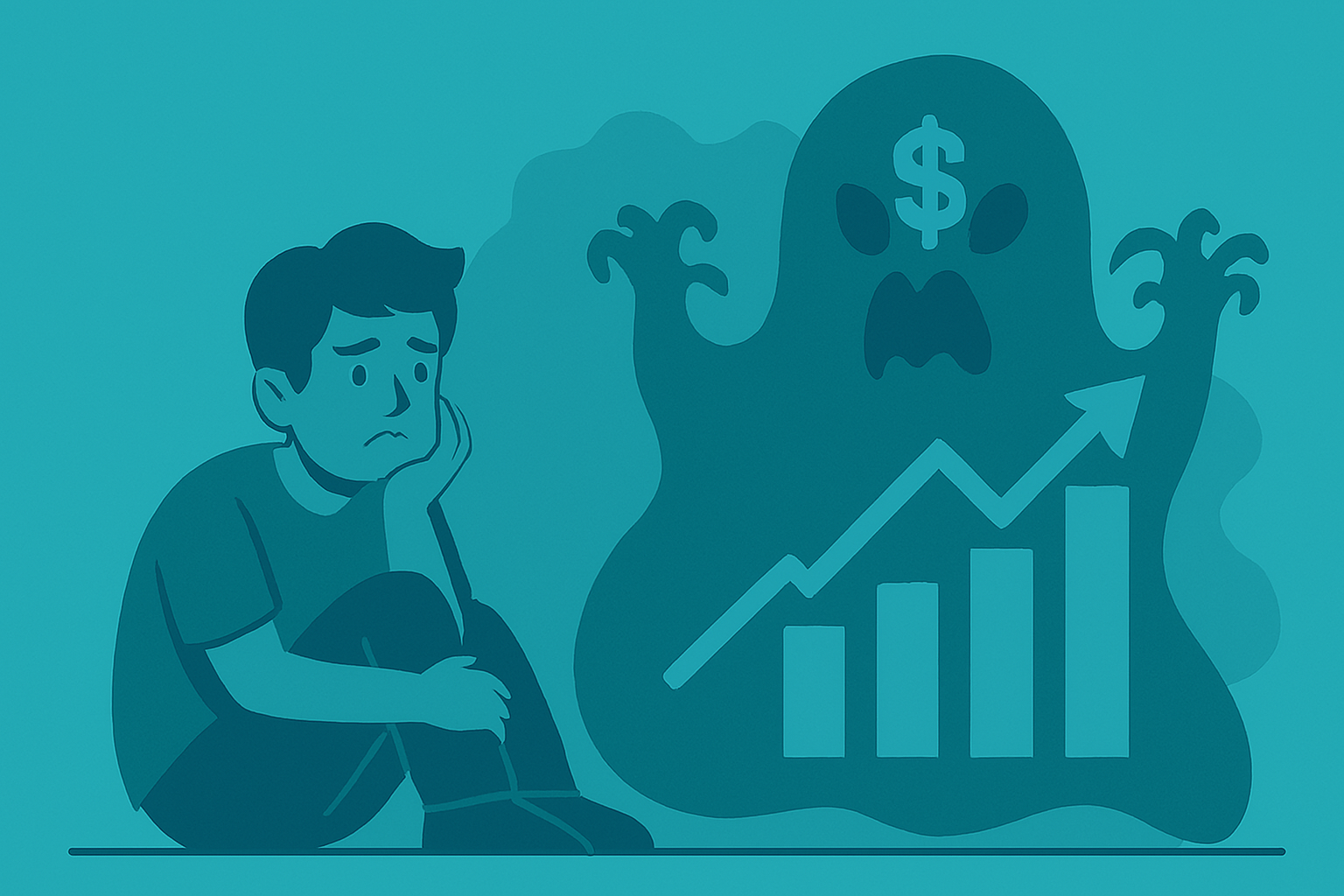
  • Investment | Breaking the fear of the unknown

    Investment | Breaking the fear of the unknown

    Most people do not invest, and for those who do, most are not successful. This leaves us with a very small percentage of the population that gains from investments. The question now is why only the very few get rich in investments. What is stopping the rest from becoming investors and becoming rich?

    Let’s go back for a moment. When we hear the word “investment” in a conversation or read articles, it often focuses on getting rich fast. This isn’t true. Investment doesn’t bring quick wealth. It takes time, understanding, and self-control. These are the things most people lack.

    Investing is a long-term game that requires patience, learning, and the ability to stick to a plan, even when the market is unpredictable. The attraction of quick wealth often hides the true nature of the investment process. Successful investors know the importance of making informed decisions and staying committed to their strategy, even in tough times. Recognizing opportunities, managing risks, and diversifying one’s portfolio are crucial for success.

    Moreover, many people don’t have enough knowledge about money and investments, which makes it hard for them to start investing. The fear of losing money and the complexity of financial markets can be too much, so they avoid investing altogether. Some people also find it difficult to save enough money to start investing because they think they don’t have enough to spare or they don’t know where to begin.

    Empowering people with money know-how and promoting a practical view of investing can help remove obstacles. By offering easy-to-reach tools, advice, and mentorship, more folks can gain the courage and knowledge to take part in investing. Creating a space where people can learn from each other and get help in their investment journey can also boost the number of successful investors in the community.

    The path to becoming a successful investor and reaping the rewards of investments involves reshaping your attitude towards money, committing to continuous learning, and having reliable financial guidance. By addressing the barriers that hinder people from investing, we can work towards a future where more individuals can benefit from investment opportunities.

    Risks make it scary

    When it comes to investing, it’s crucial to have a clear understanding of one’s financial goals, risk tolerance, and time horizon. The fear and uncertainty associated with investing often stem from a lack of knowledge or unrealistic expectations. It’s natural to feel apprehensive when the future of your hard-earned money is at stake. However, it’s important to remember that well-informed and strategic investing can pave the way for long-term financial growth and stability.

    One key factor that contributes to feelings of unease is the perception of uncertainty in the market. Fluctuations in stock prices and the volatility of cryptocurrencies can indeed be intimidating, but it’s essential to approach these situations with a rational mindset. Instead of being driven by fear during market downturns, some seasoned investors view them as potential buying opportunities. This approach requires patience and a long-term perspective, as the rewards of investing may not materialize overnight.

    It’s essential to differentiate between genuine investing and get-rich-quick schemes. True investing involves a comprehensive analysis of a company’s fundamentals, including its vision, mission, and business model. By aligning one’s investment choices with the long-term prospects of a company, individuals can contribute to its growth while potentially reaping financial rewards over time.

    By understanding that investing takes time and knowing the basic principles of smart investing, people can make better decisions that aren’t swayed by fear and short-term market changes. This change in thinking can help investors stick to their plan and resist making decisions based only on emotions.

    Investment is not gambling

    Investing is not gambling but it is risky. It comes with uncertainties. And the only way to minimize those uncertainties is to know more. Knowing more about how an investment works and knowing more about the company your are investing will give you a good night sleep. But, again, it is not an overnight thing. It will take years. So make sure you are investing for your far future not near future.

    When you invest, it’s not the same as gambling. Although there are risks, it’s important to know that it’s a well-thought-out way to manage your money. By understanding how investments work and learning about the companies you’re investing in, you can reduce the uncertainties. This knowledge can give you a sense of security, so you can feel confident about your decisions.

    However, it’s essential to acknowledge that the process of building a successful investment portfolio is not something that yields immediate results. It requires a long-term perspective and patience. The benefits of your investment strategy may not materialize overnight, but with perseverance and a focus on the future, you can work towards achieving your financial goals. Therefore, when considering investments, it’s prudent to align your mindset with long-term outcomes rather than seeking immediate gratification. By investing with a far-future orientation, you can position yourself for financial security and stability as the years progress.

    Start Researching

    The importance of consuming informative content cannot be overstated. Instead of mindlessly scrolling through entertaining reels and TikTok videos, consider delving into enriching articles available online. By investing time in learning and expanding your knowledge base, you can gain valuable insights and knowledge that can positively impact your life. Embracing this mindset allows you to explore a myriad of stories and information, providing a platform for continuous learning and personal growth.

    When it comes to investing, knowledge is indeed power. By immersing yourself in valuable content related to investments, you can acquire the necessary know-how to make informed decisions. Whether it’s understanding the intricacies of various investment opportunities or learning from the experiences of successful investors, consuming relevant information is pivotal in your journey toward financial growth and security.

    Furthermore, the element of time plays a crucial role in this equation. Starting now rather than later is essential, as time is an invaluable asset when it comes to investing. By initiating this process promptly, you allow yourself the opportunity to learn, adapt, and apply your knowledge effectively. This proactive approach maximizes the potential benefits that diligent information consumption and timely action can yield. Therefore, embrace the opportunity to learn and grow through consuming relevant material, and take proactive steps to invest in your future.

  • Consumerism | Why Should We Buy Things

    Consumerism | Why Should We Buy Things

    When was the last time you bought something you didn’t need? Maybe it was a shiny new gadget, a pair of shoes, or a trendy kitchen appliance. We live in a world where buying things has become a daily habit. But have you ever stopped to wonder why we buy things? Let’s dive into the psychology of purchasing, and explore the advantages and disadvantages of buying things.

    The Psychology Behind Buying

    Humans are complex creatures, and our reasons for buying things are equally complex. Sometimes, we buy to fulfill a need. Other times, we buy to satisfy a want or a desire. There’s an emotional rush that comes with making a purchase, often called “retail therapy.” This rush can be addictive, giving us a temporary high that distracts us from our problems.

    Advertising and social media also play significant roles in our buying behavior. We’re constantly bombarded with images of the latest products, trends, and lifestyles. It’s easy to fall into the trap of thinking that we need to buy more to be happy, successful, or accepted.

    The Advantages of Buying Things

    In a world of consumerism, buying things isn’t inherently bad. In fact, there are several advantages to making purchases. Firstly, buying goods and services supports the economy. When we buy, we contribute to businesses, creating jobs and stimulating economic growth. Secondly, buying things can improve our quality of life. A comfortable bed, a reliable car, or a high-quality kitchen appliance can make daily living easier and more enjoyable.

    Buying can also be a way to express ourselves. Fashion, home decor, and gadgets are often used to showcase our personality and taste. Finally, purchasing items can bring joy and satisfaction. There’s nothing quite like the excitement of unboxing a new gadget or wearing a new outfit for the first time.

    The Disadvantages of Buying Things

    Despite the advantages, there are significant downsides to buying things. One major drawback is the financial cost. Constantly buying new items can lead to debt and financial stress. It’s easy to fall into the trap of spending more than we can afford, leading to long-term financial problems.

    Another disadvantage is the environmental impact. The production, transportation, and disposal of goods contribute to pollution and waste. Our consumer culture encourages a throwaway mentality, where items are quickly discarded in favor of the next new thing.

    Moreover, buying things can lead to clutter and overwhelm. Having too many possessions can create a sense of chaos and anxiety. It’s challenging to maintain and organize a house full of stuff, and it can distract us from more meaningful pursuits.

    Finding a Balance

    So, how can we find a balance between the advantages and disadvantages of buying things? The key is to be mindful and intentional with our purchases. Before buying something, ask yourself if it’s something you truly need or if it’s an impulse buy driven by emotions or external pressures.

    Consider the long-term value of the item. Will it bring lasting joy and utility, or is it likely to end up forgotten in a closet? Being mindful of the environmental impact of our purchases can also help us make more sustainable choices.

    Conclusion

    In conclusion, Consumerism can fuel the economy. Buying things is a complex behavior influenced by psychological, social, and economic factors. While there are clear advantages to making purchases, such as supporting the economy and improving our quality of life, there are also significant disadvantages, including financial stress and environmental impact.

    By being mindful and intentional with our purchases, we can find a balance that allows us to enjoy the benefits of buying things without falling into the pitfalls of consumerism. So next time you feel the urge to buy something, take a moment to reflect on why you’re buying it and whether it will truly add value to your life.

    Related Articles:

  • Annual Bonus | Spending Like Rich

    Annual Bonus | Spending Like Rich

    Alright. The time of the year is here. It is when resignation slows down, performance peaks and absences are close to zero. Why? It is all because of the upcoming annual bonus and for some, annual increase. Some countries, like here in the Philippines, 13th month pay is also given and unused leave credits are converted to cash. In totality, a big chunk of money will be given to almost all employees.

    The question now is, “what to do with it?”

    Spending The Annual Bonus Like Rich

    Okay. A lot of employees will spend this yearly bonus on something they have been wanting to get. It could vary from a new PC, a new mobile phone, a new game console, paying off debts, shoes, splurge in shopping or spending it on Christmas gifts, dinners and other activities. Before we know it, the year has not ended yet and that bonus is gone.

    I have been like this for most of my working years. I can not even remember what I spent the money on. I don’t even know if the things I bought back then are still with me now. But for sure, after spending that money, I felt the same as before getting it. I don’t feel rich. Back to the grind.

    I am not saying it is wrong. Anyway, that is still our hard earned money and we can choose how we spend it. Nothing and no one can stop us. All I am saying is that by spending it all on things that we think we need and since we got the money, why not buy it, is something that will not help us in the long run.

    That short stint of feeling rich will fleet and we will soon forget it.

    After Spending All Of The Annual Bonus

    Before you say that you deserve to spend that money the way you want it because of the hard work you put in the entire year, I would say yes. No one stopping you from doing so. You earned it. You deserve some pampering. What you do with it is all up to you.

    I would just add that you also owe it to your future self. Where do you see yourself in about 5 or 10 years? Maybe you see that person promoted with a higher salary. You might be envisioning that you’ll have a lot of money by then and be chill. Thinking that after all of the years of hard work, it paid off. Well, you are wrong.

    If you spend all that money, there won’t be anything left for the future you. Spending it now, all of it, will just require you to work even more. The stress will start to creep in because eventually you will get tired and force yourself to work. You need the money. You have no choice.

    You can spend it all, sure. But you got to put something aside for the future you. Your future self will not be able to work as much as you are working now. You’ll get tired, get stressed, and get fed up with what you are doing and just hope that you are rich so you can just stop working and enjoy life.

    Small Things Add Up

    No one notices this until it is after a couple of years. And I think that is one reason why most of us are hesitant to do it because the result is not immediate. It takes years.

    When I started saving and investing, I was feeling disappointed. For a good two to five years, our bank account doesn’t seem to grow. Our investments seem to be going nowhere – either it is a loss or we just end up breaking even. It was a sad period. But, after those years, we started earning. No more losses. A minimum of 7% return is what we are getting from the time I started investing. Everything added up. Everything compounded.

    We started with small amounts. Php1000 per month. Then, 10% of my salary per month. Then, 20%. Even the annual bonus was not entirely spent. 20% went to investments. It was difficult because we had to pause on buying what we wanted and work with what was left. My wife is very good in budgeting I call her magic. I don’t know how she does it but, we are still standing now.

    And those little, small amounts paid off. By the time I am writing this, we have a good amount in our bank accounts and very good returns on our investments. Not enough to retire just yet but, I would say it is a very good amount. All of these were achieved because we decided not to spend everything. We started thinking of having a life that we can support our lives without the pressure of work. Of course, we will not be able to achieve this without God’s blessings.

    A Call To The Young Workforce

    My nephew and niece just started working for a little over a year now. They are about to experience the benefit of getting the annual bonus or 13th month pay. They are already saying that they are going to buy new things such as new PC monitor and clothes. With the prices now, they will just blow all of that money in stuff that they will soon forget or not even use after at least two years.

    For those who are thinking the same, I urge you to put some aside. Don’t spend all of it. Save a good portion of it. Invest it in something – stocks, crypto, or forex. Not doing so will just create a toll on you from working in a couple of years. Imagine that you’ve been working for 5 years and your bank account is still waiting for that paycheck to come just to get its balance up. I promise you, it is not a good feeling. After years of working, you have nothing to show for it. Not about what you have accomplished but really making money after all the years of hardwork.

    Spend that annual bonus the way you want it, just not all of it. I guarantee you that after a few years, you won’t feel so much stressed working. Seeing your bank account growing is a different feeling than seeing it just being replenished everytime you get paid.

  • Live Sellers | The art of SSD 1-2-3

    Live Sellers | The art of SSD 1-2-3

    Live sellers are people who do live videos on social media such as Facebook and TikTok and sell their products. They do this by showing the products they are selling, talking about details such as sizes and where can it be used, and some models the use of it. People who watch the video buy by doing what I would like to call the art of ssd 1-2-3

    SSD 1 2 3. You do not know what this means but it is a popular term in our house. It is a joke that I made and followed by my daughters. The joke is made towards my wife. My wife, in the past few weeks, had been doing SSD 1 2 3 on her phone. She had been constantly viewing an online seller on TikTok selling jeans-type dresses. She bought a lot already from the seller for herself and our daughters. She had made it their staple outfit. To buy from the seller, it is not just a simple add-to-cart and checking out like on other shopping apps like Amazon, Lazada, Shopify or Shoppee. The initial step is SSD 1 2 3.

    Screenshot done. 1 2 3.

    Online Live Sellers Availability Impact

    Everyone must have bought something online, one way or another. This could be through a website, shopping apps, or social media. We go to a specific site like Amazon to search for something we want to buy. Or on a shopping app and look for the best deals. But now, buying is made more available through social media. When we encounter a seller selling online, and if we are interested in the product, we watch the video and buy.

    As for my story in the introduction, my wife watches the seller sell live on TikTok. The seller shows the jeans-type dresses, provides details like sizes and texture, and waits for anyone to comment and say “mine”. Once a person says it, the seller would ask the person who wants to buy to take a screenshot while she is holding the dress. The taken picture is then sent to the seller as part of checking out. Payment and delivery details are then discussed.

    Now, this makes it easy for anyone. More people watching the video will make the seller’s video available to more people. The more the seller is active, the more people it attracts. And with us on our phones watching videos and reels, no sooner than later we encounter such videos and could get hooked.

    Buying just because

    With this availability to us, we usually think that what is being sold is something that we need. Scrolling through our social media, seeing someone on live and selling, getting our attention, makes us first think that there might be something here that we like. And at some point, true to the influence, we do think we need it, or at least like it, then buy whatever the seller is offering.

    We make up various reasons for us to get it. A new dress to wear for work or for going out. A new equipment or tool that could help us do some of the work we do better. A nice item that is so cute and we think we should have it because it is nice to have.

    Personally, this is what I think. The impact of the availability of online selling makes us buy more, even if we do not need more. The mere presence of these online sellers and platforms available to us conditions our brains to purchase because we create the reasons in our heads that we need it.

    Not all, of course, at buying just because. Some really need that stuff. Some are really looking for something to wear for an occasion or something they can use because the keyboard they are using is not working anymore (for example)

    So it is a question of when the reason to buy became clear. Was it before scrolling through social media? Or was it after? Are we purposefully looking for what we need (or want) or we are just influenced and made out of reason because we saw something that made us want to buy it?

    Spending and Saving

    There is actually nothing wrong with buying. It actually helps the economy grow. The more transactions and exchanges that happen and the more money that is in circulation, the greater the impact on more people. It creates jobs. It creates money. It creates a world where more people could thrive.

    However, when we spend, and only spend, without thinking of saving or investing first, eventually leads us to a feeling of unhappiness, unfulfilling life, and the possibility of depression. You see, after working more than 40 hours a week and seeing your bank account still zero after a few months gives a feeling of poverty. A feeling that whatever work you do, you will never get rich or wealthy. A nagging feeling that will suddenly explode when something happens but you don’t have the money to use. Because, well, you spent all of it buying without any thought of saving or investing for the future.

    So, the way I see it, we can buy. Purchase what we want. Whatever it is, no one should judge is for it. But, if we spend everything we have, that I think is too much. If everything that we earn in a paycheck is used to buy whatever we want, then it becomes too much. Caveat though, this is not about people living paycheck to paycheck. This is not about people earning just enough to support their lives. Those are more about needs. The wants is what I am referring to. Spending all of our paychecks on wants and letting our bank account stay at zero will for sure give us a sad feeling eventually.

    It is okay to buy whatever. Just pay yourself first

    We buy things we want. No one should and can tell us what to buy. If we want something, it is we because we put a value on it and that is our own. No one can tell us that we are wasting money on things. It is our own money that we use. We get to decide what to do with it. No one else.

    The issue now arises if we just buy without paying ourselves first. If we just spend without setting aside money for savings or investing some of it, we end up in a situation where we are doomed in the future. When we exhaust every earning that we get without putting some money in the bank or investing some of it, there will come a time when we are not free to do what we want, in an emergency situation like hospitalization that we can not finance, or just as simple as a feeling of sadness because, after years of working, we have nothing to show in our bank accounts.

    When we only think of now, YOLO or FOMO, we forget that we still have a future in which we are going to live. In that future, if we do not have our finances fixed and we are not prepared for something to happen, then we will not live a happy and fulfilling life. This is because without such good finances, we are chained to the shackles of our jobs, other people’s whims, and life that will eventually get us.

    So, pay yourself first. Save. Invest. Then buy whatever you want. Protect your future. Enjoy the present.

  • Why Investing is Not Gambling (And How to Avoid the Risks)

    Why Investing is Not Gambling (And How to Avoid the Risks)

    Why Investing is Not Gambling (And How to Avoid the Risks)

    Many people are afraid of investing their money in the stock market, real estate, or other assets. They think that investing is too risky, unpredictable, and similar to gambling. They believe that they have no control over the outcome of their investments, and that they might lose everything they have worked hard for.

    However, some people mistakenly think that investing is similar to gambling. This misunderstanding stops them from benefiting from the opportunities that investing can provide. It’s important to understand that investing is not the same as gambling. There are important distinctions between the two. In this blog, we’ll clarify why investing is not gambling and how you can steer clear of the risks and challenges associated with investing.

    What is Gambling?

    Gambling is an enticing activity where people risk their money or belongings in the hope of winning more. It depends on chance and luck, which often puts the person at a disadvantage. Whether it’s the lottery, slot machines, roulette, blackjack, poker, sports betting, or bingo, gambling can be alluring but risky.

    Gambling can be addictive, and can have negative consequences for the gambler and their family, friends, and society. Gambling can lead to financial problems, debt, bankruptcy, legal issues, mental health problems, substance abuse, and even suicide. A research showed that about 2% of adults have gambling disorders and 5% are at risk to develop one.

    What is Investing?

    Investing is a form of wealth creation that involves allocating money or other resources to an asset or a venture with the expectation of generating income or capital appreciation over time. Investing typically involves a low to moderate degree of chance, and a high degree of skill, knowledge, and analysis. Some examples of investing are buying stocks, bonds, mutual funds, ETFs, real estate, gold, cryptocurrencies, or starting a business.

    Investing can be super rewarding, not just for you but for your fam, buds, and the whole community. It sets you up for financial security, freedom, and some serious growth and innovation. Moreover, over half the population is already dabbling in some kind of investment.

    How are Investing and Gambling Different?

    Investing and gambling are different in many ways, and here are some of the key distinctions:

    Purpose: The main purpose of gambling is to have fun and entertainment, while the main purpose of investing is to create wealth and achieve financial goals.

    Risk: Gambling involves a high level of risk, and the probability of losing is greater than the probability of winning. Investing involves a low to moderate level of risk, and the probability of winning is greater than the probability of losing, in the long run.

    Return: Gambling offers a negative expected return, meaning that the average gambler will lose more money than they will win. Investing offers a positive expected return, meaning that the average investor will earn more money than they will lose.

    Time: Gambling is a short-term activity, and the outcome is determined within a few minutes, hours, or days. Investing is a long-term activity, and the outcome is determined over months, years, or decades.

    Strategy: Gambling relies mostly on chance, luck, and intuition, and the gambler has little or no influence on the outcome. Investing relies mostly on skill, knowledge, and analysis, and the investor has a lot of influence on the outcome.

    Diversification: Gambling is usually concentrated on one or a few bets, and the gambler puts all or most of their money at stake. Investing is usually diversified across many assets or ventures, and the investor spreads their money to reduce their risk.

    Emotion: Gambling is driven by emotion, such as excitement, thrill, hope, fear, greed, and regret. Investing is driven by logic, such as reason, research, planning, discipline, and patience.

      How to Avoid the Risks of Investing?

      While engaging in investments differs from gambling, it remains imperative to recognize that there are inherent risks and obstacles that must be addressed and mitigated. The following are some guidelines for mitigating investment risks and achieving success as an investor:

      Educate yourself: Learn about the basics of investing, like the types of assets, risks and returns, fees and taxes, strategies and techniques, and tools and resources.

      Set your goals: Determine the amount of money you want to invest, how long you want to invest for, the return you want to achieve, and the risk you are willing to take. Use the SMART criteria to make your goals specific, measurable, achievable, relevant, and time-bound.

      Make a plan: Decide on the asset allocation, diversification, rebalancing, and budget. Use the rule of 100 to determine your asset allocation, subtract your age from 100, and invest that percentage in stocks and the rest in bonds.

      Do your research: Explore the asset or venture’s fundamentals, performance history, growth potential, competitive advantage, valuation, and risks. Use the SWOT analysis to evaluate strengths, weaknesses, opportunities, and threats.

      Start small: Begin with the minimum required to open an account or buy a share. Utilize dollar-cost averaging to invest a fixed amount of money at regular intervals to reduce risk and lower the average cost.

      Be patient: Wait for the long-term results, ignore short-term noise, avoid emotional reactions, and stick to your plan. Use the power of compounding to grow your money exponentially over time by reinvesting your earnings. Remember Albert Einstein’s quote about compound interest.

      Summary

      Investing is not gambling, and there are significant differences between the two activities. Investing is a form of wealth creation that involves allocating money or other resources to an asset or a venture with the expectation of generating income or capital appreciation over time. Gambling is a form of entertainment that involves wagering money or something of value on an event with an uncertain outcome, with the primary intent of winning more money or material goods.

      Investing and gambling are different in terms of purpose, risk, return, time, strategy, diversification, and emotion. Investing offers a positive expected return, a low to moderate level of risk, a long-term perspective, a skill-based approach, a diversified portfolio, and a logical mindset. Gambling offers a negative expected return, a high level of risk, a short-term perspective, a chance-based approach, a concentrated bet, and an emotional mindset.

      To avoid the risks of investing and become a successful investor, you need to educate yourself, set your goals, make a plan, do your research, start small, and be patient. By following these tips, you can take advantage of the opportunities that investing can offer, and achieve your financial goals and dreams.


      References

      Related Articles

    • Lifestyle Creep | The Silent Killer of Your Financial Future

      Lifestyle Creep | The Silent Killer of Your Financial Future

      Lifestyle creep is the tendency to increase your spending as your income grows, which can have negative impacts on your financial well-being and happiness. To avoid or overcome lifestyle creep, you should be mindful of your spending habits and make smart financial decisions, such as tracking your income and expenses, setting realistic and specific financial goals, automating your savings and investments, living below your means, and adjusting your lifestyle gradually and moderately. By doing these, you can enjoy your life without compromising your future.

      How Lifestyle Creep Can Ruin Your Future

      You’ve worked hard to get where you are today. You’ve earned a promotion, a raise, or a bonus. You feel proud of yourself and you deserve to celebrate. You decide to treat yourself to a nice dinner, a new gadget, or a vacation. And you think, “I can afford it now, why not?”

      But then, something happens. You start to get used to your new lifestyle. A new one that you want to maintain or upgrade further. You spend more on things that you don’t really need, but you think you do. You justify your expenses by saying, “I work hard, I deserve it.”

      This is what’s called lifestyle creep. It’s when you slowly increase your spending because your income increases. While, of course, this is okay as we get to enjoy the fruits of our labor, it could create risks for us and be detrimental to our future.

      What is Lifestyle Creep?

      Lifestyle creep, also known as lifestyle inflation, is the phenomenon of gradually increasing your standard of living as your income grows. It’s when you start to spend more on things that were once considered luxuries, but now become necessities. For example, you may upgrade your car, your house, your clothes, your gadgets, your hobbies, your entertainment, your travel, and so on.

      Lifestyle creep is not necessarily a bad thing. It’s natural and human to want to improve your quality of life and enjoy the rewards of your hard work. However, it can become a problem when it gets out of control and prevents you from saving and investing for your future.

      How Does Lifestyle Creep Affect Us?

      Lifestyle creep can have negative consequences on our financial well-being and happiness. Here are some of the ways that lifestyle creep can affect us:

      It can reduce our savings and investments. When we spend more on our lifestyle, we have less money left to save and invest for our future. This can jeopardize our retirement plans, our emergency fund, our debt repayment, and our other financial goals.

      It can increase our debt. When we spend more than we earn, we may resort to borrowing money to fund our lifestyle. This can lead to accumulating high-interest debt, such as credit cards, personal loans, and payday loans. This can also damage our credit score and make it harder to get approved for mortgages, car loans, and other financing options.

      It can make us more vulnerable to financial shocks. When we live paycheck to paycheck, we have no cushion to deal with unexpected expenses or income loss. For example, we may face a medical emergency, a car repair, a job loss, a pay cut, or a pandemic. These events can put us in a financial crisis and force us to make drastic changes to our lifestyle or even go bankrupt.

      It can lower our happiness and satisfaction. When we constantly chase after more and better things, we may never feel content with what we have. We may fall into the trap of comparing ourselves to others and feeling envious or inadequate. We may also neglect the things that truly matter, such as our health, our relationships, our passions, and our purpose.

      How Can We Avoid or Overcome Lifestyle Creep?

      Lifestyle creep can be avoided or overcome by being mindful of our spending habits and making smart financial decisions. Here are some tips and strategies on how to do that:

      Keep track of your income and expenses. Use a budgeting app, a spreadsheet, or a notebook to record your income and expenses. This will help you see how much you spend and how much you save and invest.

      Set achievable financial goals. Define what you want to achieve with your money and how you plan to get there. You can set short-term, medium-term, and long-term goals, like building an emergency fund, paying off debt, buying a house, or saving for retirement.

      Automate your savings and investments. Save and invest a portion of your income before spending it on anything else. Set up automatic transfers from your checking account to your savings, investment, or retirement account.

      Live within your means. Spend less than you earn and avoid unnecessary expenses. Follow the 50/30/20 rule: allocate 50% of your income to needs, 30% to wants, and 20% to savings and investments.

      Gradually adjust your lifestyle. Make small and occasional adjustments to your spending habits. Enjoy your lifestyle without compromising your future.

      Summary

      Lifestyle creep is when you slowly increase your spending because your income increases. It can be a good thing, as it allows you to enjoy your life and reward yourself for your hard work. However, it can also be a bad thing, as it can reduce your savings and investments, increase your debt, make you more vulnerable to financial shocks, and lower your happiness and satisfaction.

      To avoid or overcome lifestyle creep, you should track your income and expenses diligently. This means keeping a detailed record of every dollar you earn and spend, which will help you gain a clear understanding of your financial habits and identify areas where you can make adjustments. Setting realistic and specific financial goals is also crucial. Whether you aim to build an emergency fund, save for a down payment on a house, or invest for retirement, having clear targets will guide your financial decisions. Automating your savings and investments can be an effective way to ensure that you consistently set money aside for your future. This approach removes the temptation to spend the money before you save it, and it helps to cultivate a healthy saving habit. Additionally, living below your means is a fundamental aspect of achieving financial stability. It involves making conscious choices to prioritize long-term financial security over immediate gratification. By making small adjustments and embracing moderation in lifestyle changes, you can gradually shift your spending habits and avoid succumbing to unnecessary expenses. Ultimately, by implementing these strategies, you can manage your money more effectively and work towards achieving your financial aspirations.

      Here are other sources about lifestyle creep.

    • Money and Happiness: Rich and poor do it wrong

      Money and Happiness: Rich and poor do it wrong

      Money and Happiness: A Matter of Perspective

      Money is often seen as a symbol of success, power, and freedom. We may think that having more money can solve our problems, fulfill our dreams, and make us happy. But is this really true? Or is happiness more than just having a lot of money?

      The answer may depend on who you ask. Money can have different effects on happiness. It all depends on how much money we have, how we use it, and what we value in life. Comparing how rich and poor people think about money and happiness, may help us how to use money wisely.

      The amount of money relative to happiness

      One of the main factors that affects how money influences happiness is how much money we have. It is obvious that having enough money to meet our basic needs is essential for us to feel happy. Without enough money, we may face stress, insecurity, and hardship, which can negatively impact our well-being.

      However, beyond a certain point, having more money does not necessarily make us happier. There is a diminishing marginal utility of income, for each additional unit of income provides less and less happiness. For example, earning $10k more from a $10k salary is feels better than from a $100k salary.

      This is because as we earn more money, we raise our expectations and desires accordingly. We may start to compare ourselves to others who have more money, and feel dissatisfied or envious. We may also spend more money on things that do not really make us happy, such as luxury items.

      Therefore, rich people may think that money can not buy happiness. Simply because they have already reached a point where money does not make a significant difference in their happiness. They may realize that money is not the only source of being happy, nor the most important one. They may also feel that money comes with its own problems, such as stress, isolation, or greed.

      On the other hand, poor people may think that money can buy happiness. In contract, because they have not yet reached a point where money can satisfy their basic needs. They may believe that money can solve their problems, fulfill their dreams, and make them happy. Those who have less may also feel that money is the only source of happiness, or the most important one. They may also envy those who have more money, and aspire to be like them.

      Using money for happiness

      Another factor that affects how money influences happiness is how we spend it. Spending money on experiences rather than material goods can boost happiness, because experiences are more memorable, meaningful, and social. For example, going on a vacation with your family can make you happier than buying a new phone.

      Another way to use money to increase happiness is to spend it on others rather than ourselves. Studies have found that giving money to others, whether it is to a friend, a stranger, or a charity, can make us happier than spending it on ourselves. This is because giving money to others can enhance our sense of connection, gratitude, and purpose, and make us feel more generous and altruistic.

      Therefore, rich people may use money in ways that make them happier, such as spending it on experiences and others, rather than on material goods and themselves. They may have more opportunities and resources to enjoy life, to learn new things, and to help others. They may also appreciate what they have, and share it with others.

      On the other hand, poor people may use money in ways that make them less happy, such as spending it on material goods and themselves, rather than on experiences and others. They may have fewer opportunities and resources to enjoy life, to learn new things, and to help others. They may also lack what they need, and hoard it for themselves.

      What We Value in Life Matters

      A final factor that affects how money influences happiness is what we value in life. Money is not the only source of happiness, nor the most important one. There are many other things that can make us happy, such as relationships, health, hobbies, spirituality, and so on. These things may not require a lot of money, but they can provide a lot of satisfaction, meaning, and joy.

      Therefore, rich people may value other things in life more than money, such as relationships, health, hobbies, spirituality, and so on. They may realize that money is not everything, and that there are many other sources of happiness that they can cultivate and enjoy. They may also balance their pursuit of money with their pursuit of other values, and not let money become the sole or dominant goal in their lives.

      On the other hand, poor people may value money more than other things in life, such as relationships, health, hobbies, spirituality, and so on. They may think that money is everything, and that there are no other sources of happiness that they can cultivate and enjoy. They may also neglect their pursuit of other values, and let money become the sole or dominant goal in their lives.

      Conclusion

      Money can be a powerful tool to enhance our happiness, but it is not a guarantee. Money can have positive or negative effects on happiness, depending on how much money we have, how we use it, and what we value in life. To use money wisely, we should spend it on experiences and others, rather than on material goods and ourselves. We should also be grateful for what we have, and not chase after more money than we need. And we should remember that money is not everything, and that there are many other sources of happiness that we can cultivate and enjoy.

      The way we think about money and happiness may depend on our perspective. Rich and poor people may have different views on how money can or can not buy happiness, based on their own experiences, choices, and values. However, regardless of our income level, we can all use money in ways that make us happier, and not let money control our lives.

      Other Sources:

    • Saving and Investing | Don’t Wait

      Saving and Investing | Don’t Wait

      Saving and Investing | Don’t Wait

      You’ve probably heard the advice to start saving and investing as early as possible. But maybe you think you have plenty of time to do that later. Maybe you want to enjoy your life now and not worry about the future. Maybe you think you don’t have enough money to save or invest anyway.

      If that sounds like you, then you’re making a big mistake. Saving and investing early can make a huge difference in your financial situation, both in the short and long term. In this blog, I’ll explain how time affects your savings and investments, and what are the advantages and disadvantages of starting early.

      How Time Affects Your Savings and Investments

      The main reason why saving and investing early is important is because of the power of compound interest. Compound interest is the interest you earn on your initial deposit plus the interest you earn on the interest. It’s like a snowball that grows bigger and bigger as it rolls down a hill.

      The longer you save and invest, the more compound interest you can accumulate. This means that even a small amount of money can grow into a large sum over time. For example, if you save $100 a month at a 5% annual interest rate, you’ll have $6,288.95 after 5 years. But if you save for 10 years, you’ll have $15,528.92. And if you save for 20 years, you’ll have $41,772.24. That’s a huge difference!

      The same principle applies to investing. If you invest $100 a month in a diversified portfolio that earns an average of 8% a year, you’ll have $8,353.89 after 5 years. But if you invest for 10 years, you’ll have $23,304.87. And if you invest for 20 years, you’ll have $93,207.77. That’s almost 10 times more than what you started with!

      The earlier you start saving and investing, the more time you have to benefit from compound interest. This means that you can achieve your financial goals faster and easier. You can also take advantage of the time value of money, which is the idea that money today is worth more than money in the future. This is because money today can be invested and earn interest, while money in the future is subject to inflation and other risks.

      Advantages and Disadvantages of Saving and Investing Early

      Saving and investing early has many advantages, such as:

      You can build a solid financial foundation for your future. You can save for your retirement, your children’s education, your dream home, or any other goal you have. The possibilities are endless. You have the opportunity to plan for exciting adventures, create meaningful experiences, and ensure stability for yourself and your loved ones.

      You can enjoy the peace of mind that comes with having a financial cushion. You can handle unexpected expenses, emergencies, or opportunities without stress or debt. Imagine the freedom of being able to pursue your dreams and ambitions without the worry of financial instability.

      You can take more risks and pursue higher returns. You can afford to invest in more volatile or aggressive assets, such as stocks, because you have a longer time horizon and can withstand market fluctuations.

        Saving and investing early also has some disadvantages, such as:

        You have to sacrifice some of your current spending and lifestyle. You have to budget, save, and invest a portion of your income every month, which means you have less money to spend on your wants and needs. This disciplined approach to finance may involve cutting back on non-essential expenses, such as dining out, entertainment, or luxury items. By exercising financial discipline, you can prioritize long-term financial security over short-term gratification. Additionally, you might consider finding alternative ways to enjoy leisure activities, such as opting for free community events or exploring the great outdoors. These adjustments, albeit challenging at first, can ultimately pave the way for a more secure financial future.

        You have to deal with the complexity and uncertainty of the financial markets. You have to research, choose, and monitor your savings and investment options, which can be overwhelming and confusing. You also have to cope with the volatility and unpredictability of the market, which can be stressful and emotional.

        You have to be disciplined and consistent. You have to stick to your saving and investing plan, even when you face temptations, distractions, or challenges. You also have to adjust your plan as your situation and goals change over time.

            Summary

            Saving and investing early is indeed a crucial step towards securing a stable financial future. By starting early, you not only allow your investments more time to grow but also cultivate the habit of disciplined money management. This approach can empower you to weather unexpected financial storms with greater ease, providing a safety net for the future. Nevertheless, this strategy necessitates a degree of sacrifice, potentially requiring adjustments to your current lifestyle and spending habits. It also demands a certain level of financial literacy to navigate the complexities and fluctuations of the investment landscape. Nonetheless, the potential long-term benefits far outweigh these initial trade-offs.

            The choice is yours, and it’s an important one. By starting to save and invest early, you not only take advantage of compound interest and the time value of money, but you also give yourself the opportunity to build a solid financial foundation for the future. This foundation can provide a sense of security and stability, allowing you to pursue your goals and dreams with more confidence. On the other hand, waiting to start saving and investing means potentially missing out on valuable opportunities to grow your wealth over time. Remember, the sooner you start, the more time your money has to work for you, and the better off you’ll be in the long run. It’s never too early to begin securing your financial future.


            If you need help with saving and investing, you can check out these related topics:

          • Opportunity Fund | Better Than Emergency Fund

            Opportunity Fund | Better Than Emergency Fund

            Opportunity Fund | Better Than Emergency Fund

            You’ve probably heard of the importance of having an emergency fund: a stash of money that you can use to cover unexpected expenses or survive a financial crisis. But have you ever considered having an opportunity fund instead? Something that you can use when instead of something bad, something good happens and you want to take advantage of it?

            An opportunity fund is like an emergency fund, but instead of protecting you from emergencies, it allows you to take advantage of opportunities. Opportunities such as starting a business, investing in a promising venture, traveling the world, or pursuing your passion. By setting aside a dedicated fund for opportunities, individuals can be better prepared to seize moments that could bring personal or financial growth. Whether it’s taking a sabbatical to learn a new skill, funding a creative project, or even exploring new career paths, an opportunity fund provides the freedom to pursue endeavors that can enrich life experiences and potentially lead to rewarding outcomes in the long run.

            An opportunity fund can truly be a game-changer in your financial strategy. By having this fund in place, you can grasp hold of those potentially life-altering opportunities without the burden of financial stress. Whether it’s investing in a promising business venture, furthering your education, or taking a leap into a new career path, having the flexibility to say yes can open doors to incredible possibilities. This fund provides a safety net, shielding you from the necessity of accumulating debt or depleting your hard-earned savings or retirement funds. In essence, it empowers you to proactively shape your future without the looming shadow of financial constraints. Building and nurturing this fund over time creates not just a safety net, but also a platform for exploring new ventures, seizing unforeseen opportunities, and weathering unexpected financial storms. The peace of mind that comes with knowing you have a financial cushion also allows for more calculated and strategic decision-making, enabling you to pursue endeavors that align with your long-term goals and aspirations. Ultimately, an opportunity fund isn’t just about financial preparedness; it’s about granting yourself the freedom to pursue your dreams and ambitions with confidence and resilience.

            How much money should you have in your opportunity fund? That depends on your goals, risk tolerance, and lifestyle. Some experts suggest having at least six months of living expenses in your opportunity fund, while others recommend having more or less depending on your situation. It’s important to consider not only your basic living expenses but also any additional financial commitments you may have, such as mortgage or rent, insurance, and other recurring costs. Your emergency fund should also reflect your individual circumstances, including job stability, health, and potential unexpected expenses. By carefully evaluating these factors, you can determine an appropriate amount to allocate to your opportunity fund, providing a sense of security and preparedness for unforeseen circumstances.

            Where should you keep your opportunity fund? Ideally, you want to keep it in a safe and accessible place, such as a high-yield savings account, a money market account, or a short-term CD. These options provide you with the flexibility to access your funds quickly, without exposing them to significant market risk. By opting for a high-yield savings account, you can benefit from a competitive interest rate while maintaining easy access to your money. Additionally, a money market account offers a combination of safety and liquidity, making it a suitable choice for holding your opportunity fund. Another option to consider is a short-term CD, which provides a slightly higher interest rate than a regular savings account, with the trade-off of locking your money in for a specific period. It’s important to steer clear of risky investments, such as stocks or bonds when it comes to your opportunity fund. The goal is to preserve your capital and ensure that it’s readily available when an attractive investment opportunity presents itself, without having to worry about market fluctuations impacting your principal investment.

            How do you build your opportunity fund? The same way you build any savings goal: by setting a monthly budget, cutting your expenses, increasing your income, and automating your savings. You can also use windfalls, such as bonuses, tax refunds, or gifts, to boost your opportunity fund. Additionally, consider re-evaluating your current expenses to identify areas where you can further reduce costs. Exploring additional sources of income, like freelance work or part-time jobs, can also contribute to growing your opportunity fund. Furthermore, reviewing and optimizing your existing investments can create additional funds that can be allocated to your opportunity fund. Remember, the key is to stay disciplined and dedicated to consistently contributing to your opportunity fund, as small and consistent efforts can lead to significant growth over time.

            Having an opportunity fund is crucial for securing your financial future and paving the way for your aspirations. By setting aside funds for potential opportunities, you not only empower yourself to pursue your dreams but also safeguard yourself against unexpected expenses. In addition to serving as a safety net during emergencies, your opportunity fund can provide peace of mind and enable you to seize valuable chances as they arise. Therefore, initiating your savings for an opportunity fund today is an investment in both your present and future well-being. Be prepared to harness the possibilities that tomorrow may unveil, knowing that you have taken proactive steps to ensure your financial readiness. It’s important to regularly reassess and grow your opportunity fund as your financial situation and goals evolve. This fund can also serve as a source of capital for entrepreneurship, furthering your education, or embarking on new life adventures. Moreover, having a dedicated opportunity fund allows you to capitalize on market fluctuations and investment prospects, positioning you to make strategic financial decisions with confidence and flexibility. As you cultivate this financial resource, consider seeking guidance from financial advisors to optimize its growth and maximize its potential to support your long-term objectives.


            Sources: